Destination Wedding Checklist: What to Book First
A destination wedding checklist in the order that actually matters - legal path first, then venue, vendors and guest travel, so nothing gets booked out of sequence.
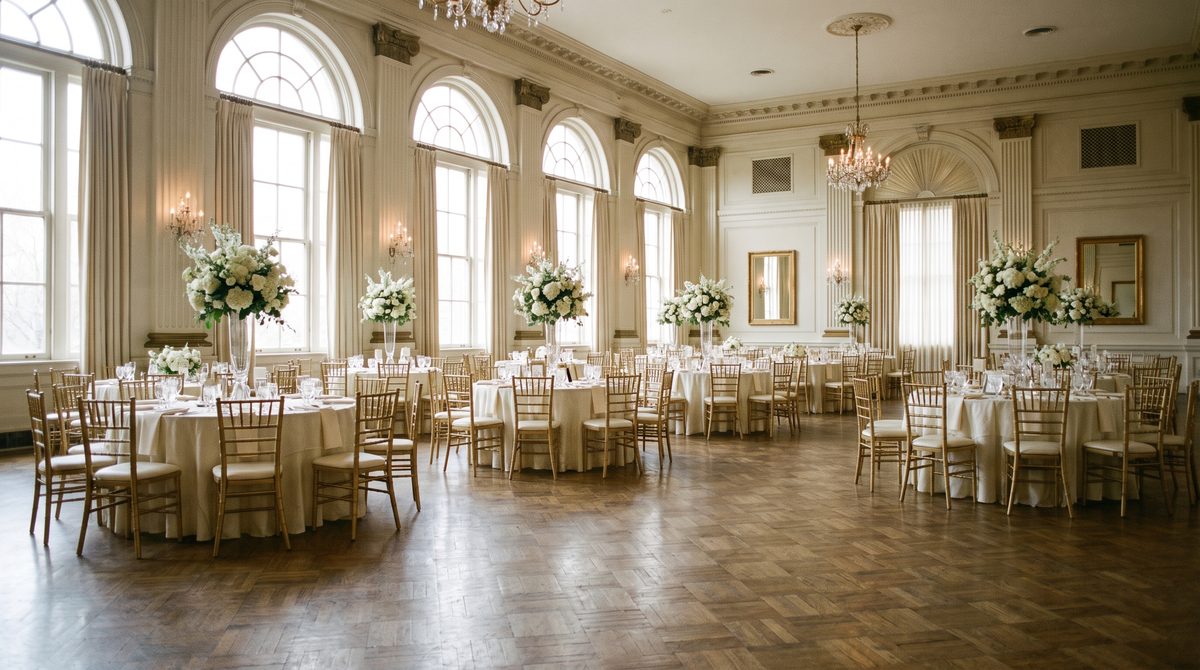
A destination wedding checklist only works if the order is right: the legal path first, then the venue, then the vendors, then guest travel. Get that sequence backwards and a destination wedding checklist stops saving money - it starts costing it, in a forfeited deposit, a rebooked flight, or a ceremony that has to be repeated at home before it counts.
That is the whole difference between a list and a checklist. A list can be worked in any order. A destination wedding, planned somewhere neither of you lives full-time, punishes the wrong order specifically, because the fixes are expensive and some of them are not fixable from a distance at all.
The order, start to finish
Six phases cover almost every destination wedding, regardless of where it lands on a calendar: choose the destination and start the legal clock, book the venue and the vendors who travel with it, firm up guest travel, lock the final numbers and the paperwork, then land the week of and run the day itself. Each phase below covers what to actually do in it, not just what to remember.
| Phase | Lock in |
|---|---|
| 12+ months out | Destination, marriage-recognition path |
| 9 to 6 months out | Venue, travelling vendors, local vendors |
| 6 to 3 months out | Travel details, room block, RSVP deadline |
| Final weeks | Paperwork appointment, headcount, day-of schedule |
| Week you land | Venue walk-through, paperwork confirmation |
None of these phases are a fixed number of weeks apart. A twelve-month runway and a six-month one both work; what changes is how much slack sits between each phase, not the order they happen in.
12+ months out: the destination and the legal clock
Pick the destination before anything else gets booked, because everything downstream, the venue search, the vendor search, the guest save-the-date, depends on knowing where. The one call worth making immediately after is to the destination's own consulate or marriage registrar, since recognition rules vary by country and some require documents lodged weeks or months ahead. Confirm that path before a single deposit goes down, not after.
Two questions settle most of this call: does the destination register the marriage directly, or does it issue documents that still need registering back home, and how far ahead do those documents need to be lodged. A wedding that is legally binding on the day is a different plan to one that is a ceremony followed by a paperwork step at home, and venues, celebrants and guests all need to know which one this is before travel gets booked.
Among Australian couples who marry away from home, Bali and Fiji lead, followed by New Zealand, Thailand and Italy.2 None of that ranking should decide the destination on its own, but it is a useful check: a well-worn destination usually means an established path for visiting couples to get legally married there, with venues and celebrants who have done the paperwork before.
Destination weddings are not automatically the expensive option, and it is worth knowing that before it shapes a decision. Australian couples who marry away from home average $32,060, against a $38,252 national average, because the guest list shrinks to 55 from a national average of 85.21 Fewer guests is most of the saving, not the location itself.
9 to 6 months out: the venue and the vendors who travel with you
Book the venue once the legal path is confirmed, not before, since a venue deposit is one of the harder ones to recover if the marriage recognition path falls through. From there, work out which vendors travel with you and which ones are local hires at the destination: a photographer or celebrant you already trust usually travels, while catering, florals and rentals are almost always sourced on the ground.
The split matters for the budget as much as the logistics. A travelling vendor's quote needs flights and accommodation added on top of the fee, which can turn a competitive rate into the more expensive option once those costs land. A local vendor skips that line entirely and usually knows the venue already, which is worth more on the day than a longer working relationship built somewhere else.
A destination adds one decision most weddings skip: whether to hire a planner who works the destination regularly. In the same US survey, a full-service planner averages $3,800, while a planner who specialises in destination weddings averages $2,700, cheaper on average than full-service, not more expensive.3 The saving comes from local vendor relationships the planner already has, not from doing less work.
6 to 3 months out: guest travel firms up
Send travel details earlier than a local wedding needs, because guests are booking flights and time off, not just clearing a Saturday. A room block or a hotel list at this point saves guests money and saves the couple from fielding the same questions individually. RSVP deadlines should sit ahead of the venue's final headcount date, with enough buffer to chase stragglers before that number is due.
This is also the point to confirm what changes for guests who cannot travel: a livestream, a second at-home celebration, or nothing at all is a decision worth making on purpose rather than by default, since it shapes how the invitation itself is worded.
Final weeks: paperwork, headcount and the day-of schedule
Paperwork lands last but cannot slip: notarised documents, translated certificates or an in-person registrar appointment, depending on the destination, all tend to have their own lead times separate from the wedding date itself. Confirm the final guest count against the venue contract, then build the actual day, because a destination wedding still runs on a schedule, just in a different timezone.
PlannedBy's run sheet generator derives every downstream time from one input, the ceremony time, whether that ceremony is at home or on a beach three timezones away. The same generator that builds a schedule for a hometown reception builds one for a destination day, and DIY access is a single payment for the whole wedding, not a subscription that runs out mid-planning trip.
The week you land
Confirm the paperwork appointment time and location again on arrival, since destination registrars sometimes shift by a day or two around local public holidays that were not on the calendar back home. Walk the venue in person before the rehearsal if the timeline allows it, because photos and floor plans do not always match what a room actually does at 4pm in local light. Everything else on a destination wedding checklist by this point is confirming, not booking.
Confirm the same details with vendors who flew in, not just the ones booked locally: their travel day, their setup window, and where they are staying relative to the venue. A travelling photographer landing the same morning as the ceremony has no slack if a flight moves, so the safer plan lands the travelling vendors at least a day ahead of anyone local.
Frequently asked questions about a destination wedding checklist
Do destination weddings cost more than a local wedding?
Not on average. Australian couples who marry away from home average $32,060 against a $38,252 national average, mainly because the guest list is smaller.21
What should be booked first on a destination wedding checklist?
The legal path. Confirm the destination's marriage-recognition process with its consulate or registrar before booking a venue, since some countries require documents lodged months in advance.
Is a destination wedding planner worth the cost?
Often cheaper than expected. A planner who specialises in destination weddings averages $2,700 in the same US survey where full-service planning averages $3,800.3
How early should guests get travel details for a destination wedding?
Earlier than for a local wedding. Guests are booking flights and time off, so travel and hotel details at the 6 to 9 month mark give them room to plan around cost.
Does a destination wedding still need a day-of schedule?
Yes. A schedule derived from one ceremony time works the same way whether the wedding is at home or across the world, and the vendors, celebrant and guests still all need to be in the same place at the same time.
If a destination wedding checklist has one honest test, it is this: could someone else, a planner, a parent, a wedding party lead, pick it up mid-way and know what happens next without a phone call home. The order above is built to pass that test at any point in the process, not just at the end of it.