How to Build a Wedding Photos Timeline
A wedding photos timeline anchors to the ceremony or to the light, places five fixed blocks around it, and reshuffles the day when either one moves.
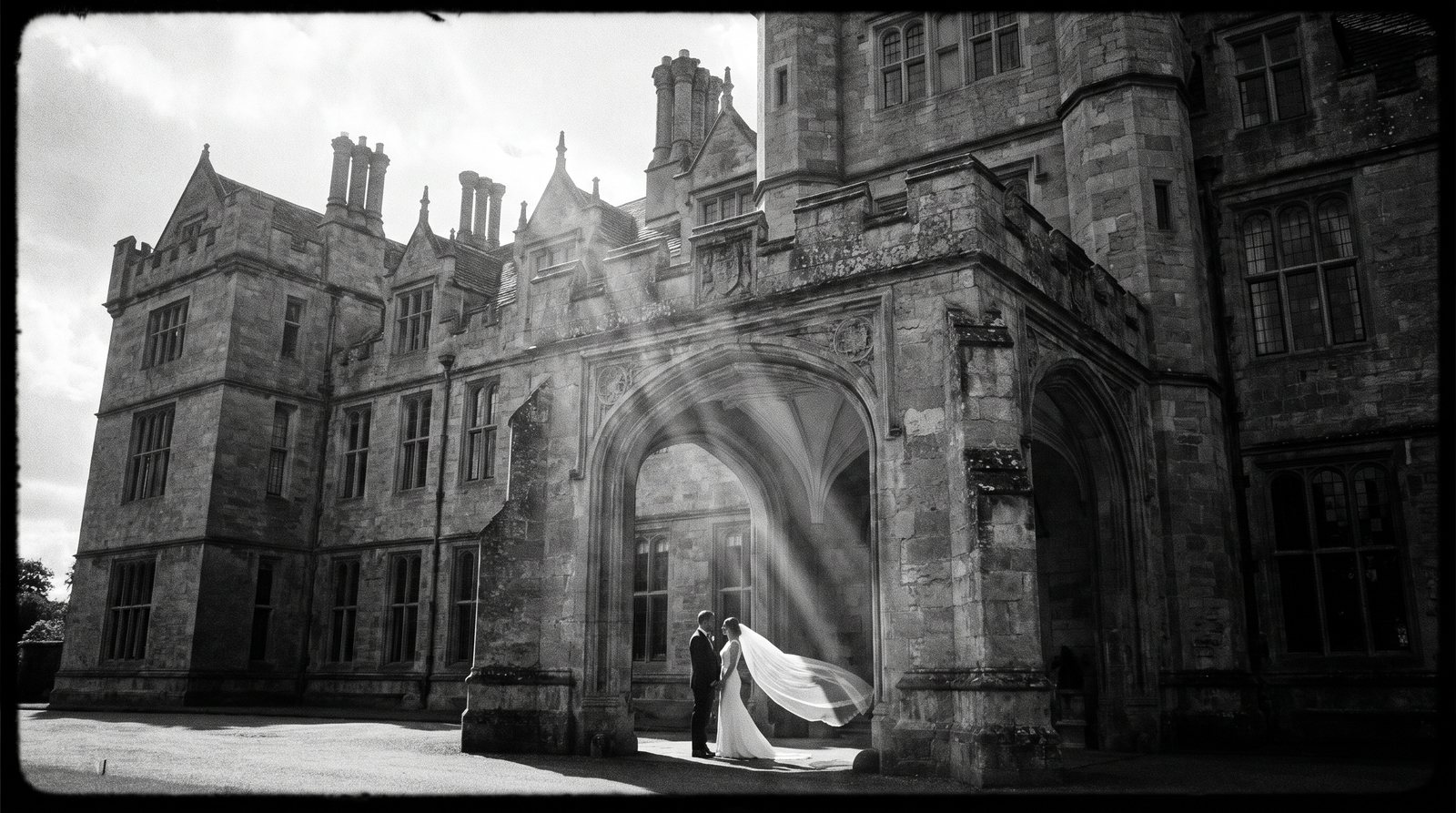
Build a wedding photos timeline around whichever is fixed first, the ceremony time or the light. If the ceremony time is booked and will not move, anchor the timeline to it and let the photo blocks fall into place around that one time. If a specific golden-hour photograph matters more than the ceremony clock, anchor to sunset instead and set the ceremony time to leave room for it. PlannedBy's run sheet generator takes either anchor and places the five fixed photo blocks of the day around it. Most couples only need the first path.
How to build a wedding photos timeline in five steps
1. Book enough coverage to hold every block
Fix the anchor before booking hours, then book enough coverage that every block fits inside it with room to spare. Australian wedding photographers converge on eight hours as the standard block, sometimes stretching to ten.1 Ceremony and portraits alone can run three to four hours; a full day from getting ready to the dance floor runs ten to twelve.1
Book the short end and the timeline only has room for the fixed blocks below, with nothing padded around them. Book the long end and there is slack to move a block if the ceremony itself starts late.
Coverage lengths working Australian photographers describe, from ceremony and portraits only to a full day.
2. Pick the anchor: ceremony time or the light
Most couples anchor to the ceremony time, because it is the one commitment already locked in with the celebrant and the venue. Anchor to the light instead only when a specific golden-hour photograph is the priority, because sunset in Sydney moves by more than three hours across the year: 4:54 PM in June against 8:05 PM in December.34 A ceremony booked at the clock time a summer wedding uses can lose that window entirely once winter arrives. One Australian coordinator puts it directly: "A 3pm ceremony in winter means no golden hour. Shift to 4pm."2
Sunset in Sydney across the year, more than three hours apart at the two solstices.
Test both anchors on your own date Type a ceremony time into the run sheet generator and see where the photo blocks land, then move the anchor to check the light instead.
3. Place the five fixed blocks around the anchor
Once the anchor is set, the fixed blocks of the day place themselves around it. PlannedBy's shipped run sheet carries five photograph blocks on a 3:00 PM ceremony, each a fixed length rather than a guess: wedding party before the ceremony 15 minutes, family groupings 15 minutes, wedding party again 15 minutes, couple portraits 20 minutes, golden hour 15 minutes.
| Block | Length | Placed from the ceremony |
|---|---|---|
| Wedding party, before the ceremony | 15 min | minus 75 minutes |
| Family groupings | 15 min | plus 45 minutes |
| Wedding party, after the ceremony | 15 min | plus 60 minutes |
| Couple portraits | 20 min | plus 80 minutes |
| Golden hour | 15 min | set from sunset |
Four of the five blocks move with the ceremony time. Golden hour is the exception: it is set from sunset rather than the ceremony clock, which is why step 2 matters before this one.
The four fixed-length photo blocks on the day, from fifteen minutes for family groupings to twenty for couple portraits.
4. Protect the block couples say matters most
Of everything a photographer shoots, couple portraits are what 47% of Australian couples say matters most, ahead of every other photograph on the day.5 Ninety percent hire a professional photographer at all, and 78% ask guests to put their phones away during the ceremony so the professional shots are the only record of it.5
If the day runs long, protect the twenty minutes alone with the photographer before trimming anything else on the sheet.
What Australian couples do with a wedding photographer, and how many say portraits matter most.
5. Send the photographer their own copy
A wedding photos timeline is not much use to a photographer buried inside a document written for thirteen other people. PlannedBy's run sheet filters the same anchored timeline down to a photographer-only column, so the five blocks above are the only rows they see. See the wedding photographer run sheet template for what that column holds.
Before and after: what a moved ceremony does to the timeline
On a static list of clock times, moving the ceremony means retyping every block after it and re-sending the file. On an anchored timeline, every block downstream of the ceremony moves with it automatically.
Push a 3:00 PM ceremony to 3:20 PM and family groupings, the second wedding party block and couple portraits all land twenty minutes later: 4:05 PM, 4:20 PM and 4:40 PM instead of 3:45 PM, 4:00 PM and 4:20 PM. Golden hour holds at its sunset-anchored time regardless, because it was never tied to the ceremony to begin with.
Three photo blocks shift twenty minutes later when the ceremony moves from 3:00 to 3:20 PM. Golden hour stays where the light put it.
Common questions
How long does a wedding photos timeline need? Enough coverage to hold every block with room to spare: eight hours is standard, ten to twelve for a full day from getting ready to the dance floor.1 The blocks themselves run about 80 minutes total.
Do I need a first look to fit the photos in? The five blocks above do not need one. A first look changes when the couple sees each other, not how long photography takes.
What is the difference between a wedding photos timeline and a run sheet? They are the same document. A wedding photos timeline is the photography rows of the same page everyone else on the day reads. See how to make a wedding day timeline for the full version with every supplier's rows in it.
What happens if the ceremony runs late on the day? Shift the one anchor and every block downstream follows it, except golden hour, which stays tied to sunset. Shifting one anchor and recalculating everything else is the entire reason to anchor the timeline instead of typing clock times.
How much time should family photos get? Fifteen minutes on PlannedBy's shipped timeline, with groupings written down in advance. Without a written list it runs longer, because the list gets assembled out loud while everyone waits.
The one thing to do today
Check the sunset time for the wedding date, then decide which anchor the timeline uses: the ceremony or the light. Type it into the run sheet generator and read back the five blocks it places.
The wedding run sheet template is the full day these blocks come from, PlannedBy's DIY plans are a single payment rather than a subscription, and the free tools run off the same clock.