Do You Need an On-the-Day Wedding Planner?
An on-the-day wedding planner runs the wedding day schedule. Who actually needs one, what it costs in Australia, and what to do instead if you skip it.
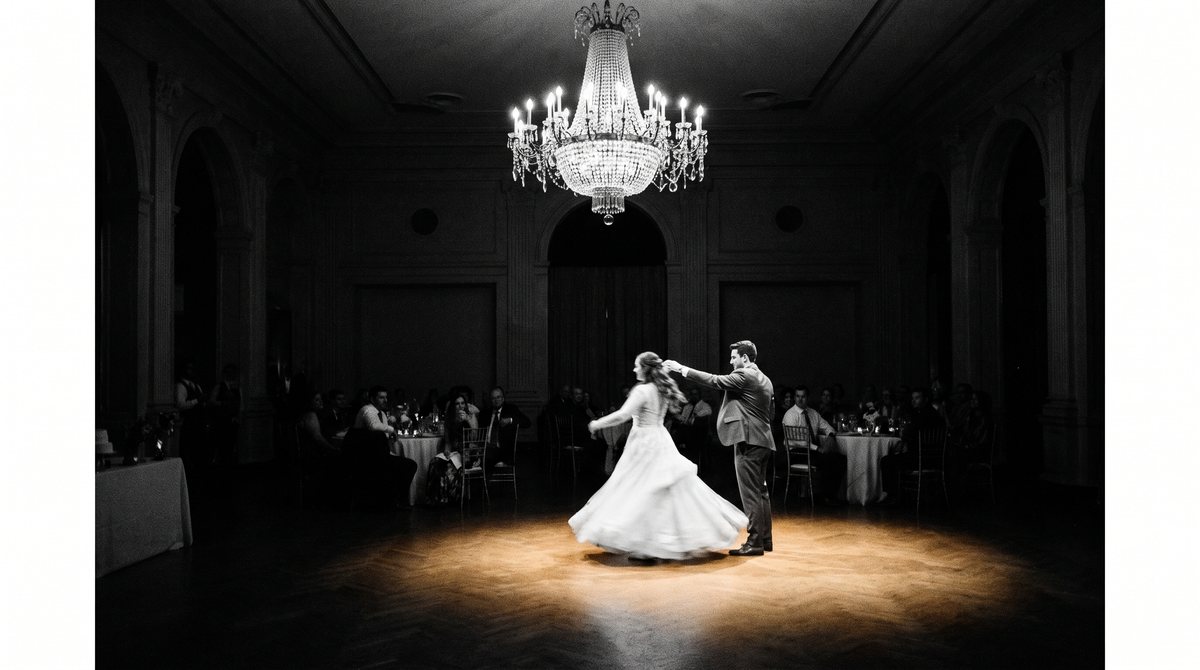
Hire an on-the-day wedding planner if nobody has agreed to run the schedule once the ceremony starts. Skip it if a venue coordinator, a confident MC or a fully built run sheet already has that job covered.1 Australian couples usually decide early: a wedding planner is the third category they book, right after the venue and the caterer, well ahead of flowers or a dress.2
Wedding planner is booked third, ahead of the celebrant and the photographer.
What the job actually covers
An on-the-day planner, also called a day-of coordinator, takes a schedule that is mostly built and runs it. In the week before the wedding, that means confirming arrival times with each supplier and walking the venue. On the day itself, it means cueing the ceremony, moving guests between locations, adjusting timing when a speech runs long, and releasing each supplier at the end of the night.
Two Australian wedding planners, quoted by Easy Weddings, describe the handoff plainly: most venues and planners will build a detailed run sheet, and a couple who starts to feel overwhelmed is better off working closely with a professional through it.1 What the role does not cover is supplier selection, budget management or styling - those sit inside full-service planning, priced and scoped separately.
Three signs you need one
Nobody has agreed to hold the clock. An MC or a family member is a guest first. If a decision has to be made fast, mid-reception, and nobody has actually said yes to making it, that gap is the role.
The venue coordinator only covers the venue. Their job is the room, the kitchen and their own staff, not your photographer, celebrant or band. Confirm this in writing rather than assuming the coverage overlaps.
Several suppliers need the same cues on the same day. A photographer working to one schedule, a caterer working to another and a celebrant running early is how a wedding day drifts. If that sounds like your day, how many suppliers a wedding actually needs is worth reading before you decide.
Three signs you can skip it
Every supplier already has the same run sheet, with real times against it, not a rough order of the day.
Someone confident has actually agreed to hold the schedule - an MC, a friend outside the bridal party, or a family member who is calm under pressure and not also getting married that day.
The day itself is simple: one venue, no handover between ceremony and reception, and a guest list small enough that nobody needs redirecting mid-afternoon.
| Hire an on-the-day planner if | Skip it if |
|---|---|
| Nobody has agreed to hold the clock | Every supplier has the same run sheet |
| The venue coordinator covers venue staff only | Someone confident has agreed to run the day |
| Several suppliers need the same cues, same day | The day is one venue, no complex handover |
What it costs if you do hire one
Easy Weddings puts an on-the-day coordinator at $1,500 to $2,000 AUD, against an average Australian wedding spend of $38,252 - roughly 4-5% of the total.34 Full-service planning, which adds supplier selection and budget management, runs $5,000 to $6,000 AUD, close to three times the day-of fee.3 The full AU, US and UK breakdown covers what moves the price in each market.
If you skip it, something still has to run the clock
The job does not vanish once nobody is paid for it. It moves to whoever is holding the schedule, and what they are holding on the day decides how it goes.
Give whoever runs your day a computed schedule, not a rough one The run sheet generator derives the whole day - getting ready, ceremony, photos, reception, send-off - from one input, the ceremony time, so an MC, a parent or the couple works from the same clock a paid coordinator would use.
Common questions
Does the venue coordinator count as an on-the-day planner? Usually not on its own. Most venue coordinators manage the venue's own staff and room turnover, not your photographer, celebrant or band. Confirm the scope before assuming it overlaps.
What is the difference between an on-the-day planner and a full-service planner? An on-the-day planner executes a schedule that is already built. A full-service planner also selects suppliers, sets the budget and styles the day, and costs close to three times as much in Australia.3
Can the MC run the day instead of hiring a coordinator? Yes, if the MC has actually agreed to hold the clock and every supplier is working from the same run sheet rather than a rough itinerary.
Is an on-the-day planner worth it for a small wedding? It tracks supplier count more than guest count. A 40-guest wedding with six suppliers to cue still needs someone running the clock; the same wedding with two suppliers needs it less.
Who ends up running the schedule if nobody is hired? Usually whoever is calmest under pressure and not getting married that day - most often a parent, the MC, or a friend outside the bridal party.
What to decide next
Confirm with the venue, in writing, whether their coordinator covers your suppliers or only their own staff. If the answer is no and nobody else has agreed to hold the clock, book an on-the-day planner in the same window as the venue and the caterer, not in the final weeks.2 If someone has already agreed, hand them a computed run sheet instead of a rough itinerary and treat the job as filled.