Wedding Reception Checklist: What Actually Needs Deciding
A wedding reception checklist ordered by dependency, not the alphabet - what to book while the guest count is moving, decide once it's final, and confirm last.
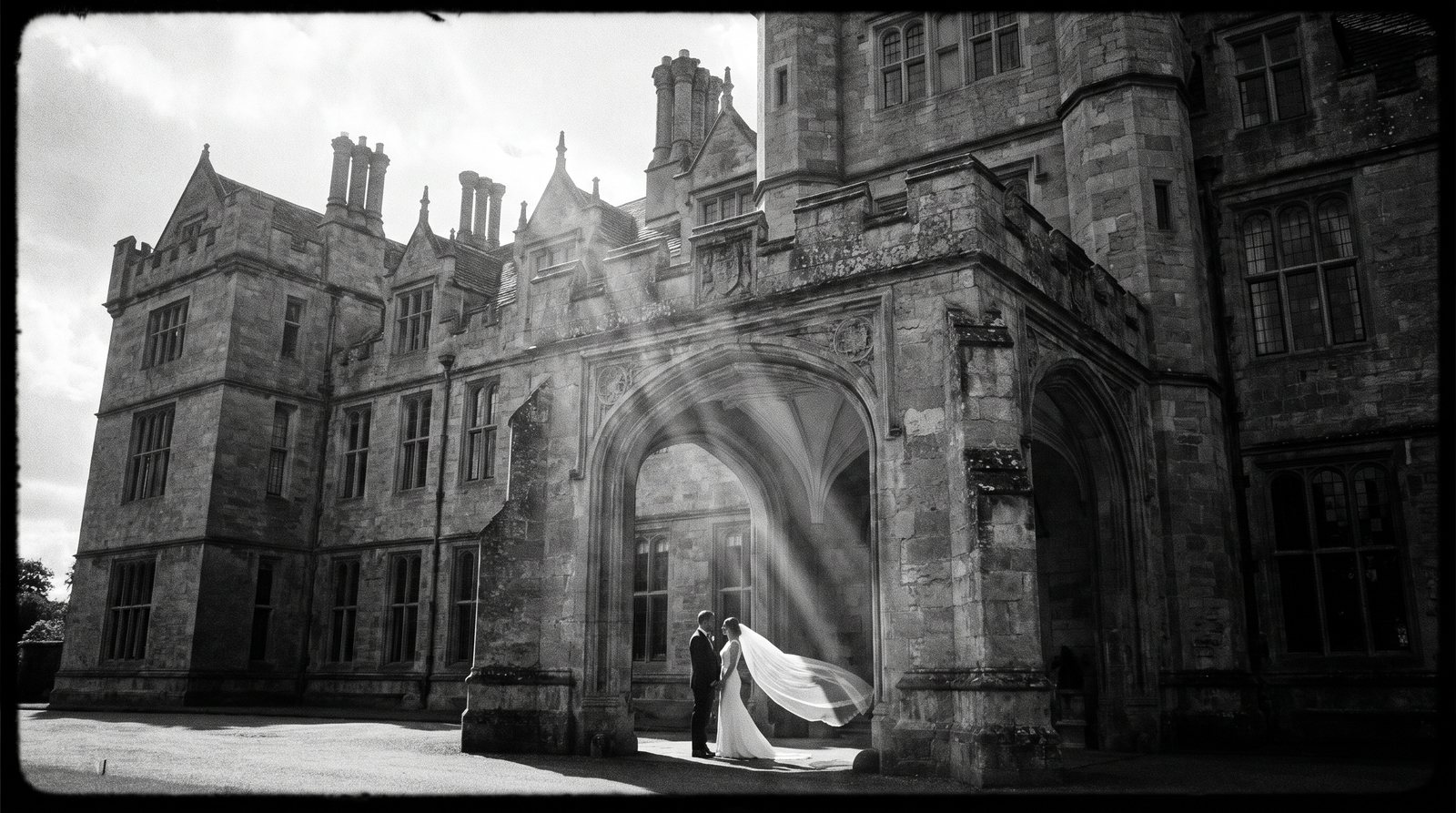
Most wedding reception checklist advice sorts by category: bar, cake, catering, decor, DJ, favours, seating, from A to Z. That order does not survive contact with a real wedding - the caterer cannot quote until the guest count is close to final, and the seating plan cannot exist until the caterer has confirmed table sizes. A wedding reception checklist that actually works is sorted by what each decision depends on, not by the alphabet: book what shapes the guest count, decide what the guest count shapes, then confirm what only matters once every supplier has said yes.
The wedding reception checklist, in dependency order
| Phase | Lock in |
|---|---|
| While the guest count is still moving | Venue booked, catering style chosen |
| Once the guest count is final | Table sizes, seating plan, catering headcount confirmed |
| Two months out | Cake or dessert format, decor and hire, favours ordered |
| One month out | Music and MC briefed, speech order set, final numbers to the caterer |
| Week of | Run sheet handed to every vendor, seating chart printed |
Catering is booked second in the Australian buying cycle, right after the venue and ahead of the celebrant.1 Music follows at eighth, decor at sixteenth, and favours last of the reception items at twenty-fifth.1 That order is not a suggestion - it is the sequence couples are already following, which is exactly why a checklist that fights it feels wrong even when every item on it is correct.
Book it while the guest count is still moving: venue and catering
The reception venue takes 46% of the average Australian wedding budget, more than any other single line.4 83% of couples run allocated seating rather than let guests choose their own table, so the venue booking and the seating decision are really one decision made twice.4 88% of couples also book accommodation around the venue, and 57% of that stays on-site at the reception venue itself - one more reason the venue contract gets signed before almost anything else on this checklist.4
Catering averages $6,177 nationally, down 2% on last year, but the state spread is wide: Victoria sits at $7,838 and South Australia at $4,878, a $2,960 gap for the same category.2 Get a catering quote before the guest list is locked and it is a guess. Get one after and it is a number the rest of the reception checklist can be built on.
Decide it once the guest list is final: seating, catering style, cake
Easy Weddings' rule of thumb is eight guests to a standard round table, with tables in use ranging from two to twenty depending on the venue.5 That number only holds once the final headcount exists - a seating plan built against an estimated guest list gets rebuilt the day the RSVPs close.
Alternate drop is the most common catering style at 33%, ahead of feasting style at 28% and buffet at 16%.3 Dietary requirements ride on the same headcount: 41% of receptions cater for vegetarian guests, 32% for gluten-free and 22% for vegan, so the catering style and the dietary breakdown get confirmed in the same conversation, not two separate ones.3 Dessert is even more of a given than the seating plan itself: 66% of couples have a cake in some form, split between cake plus dessert (38%), dessert only (31%) and cake only (28%).6 The national average cake spend is $645, down 1% on last year.7
Lock the run of show: music, speeches, first dance
68% of Australian couples hire professional wedding music, 69% are having a first dance, and 65% bring in an MC to run the reception.8 Of the couples hiring music, a DJ is the most common choice at 37%, ahead of an acoustic duo at 19% and a DJ-band combo at 18%.8
Speeches are the part of the reception checklist most couples get wrong by omission - nobody times them until the room is watching the clock for them. Easy Weddings recommends 3-5 minutes per speech with an absolute ceiling of 10, and Bridebook puts the entire speech segment at 20-30 minutes, never exceeding 40.910 One Australian wedding DJ budgets it as a block: 10 minutes for housekeeping and entrances, 5 for the welcome speech, 30-45 for dinner service, then at least 90-120 minutes of dancing to close.11
PlannedBy's own classic reception scenario runs that block as twenty timed rows, Couple Introduced at 6:00 PM to Send Off at 11:00 PM: entree at 6:30, three speeches at 7:00 with the MC holding the clock, dinner at 7:30, cake cutting at 8:30, first dance at 8:45, and the dance floor open from 9:15 until 10:45. It is one worked order, not the only one - but it shows what "speeches at 7, first dance by 9" actually looks like laid out minute by minute, which a bullet-point checklist cannot.
Confirm before the final week: decor, favours, final numbers
54% of Australian couples style the reception themselves rather than hiring a professional stylist.12 Separately, 46% hire in furniture or styling props to make that happen, and of what gets hired, decor items and combined packages account for 88% of it against 10% for furniture alone.13 Both decisions can run right up to the two-month mark because neither one blocks anything downstream - a styling choice does not change the guest count, and the guest count is the only thing the earlier decisions were protecting.
Favours are the last reception item on the buying-cycle list and the cheapest of the group: $678 nationally, down 24% on last year, with 44% of couples spending under $5 a guest.14 Order them once the final guest number is confirmed, never before - a favour count based on the invite list instead of the RSVP list is either short on the night or paid for twice.
What the reception checklist becomes on the day
Every item above eventually collapses into one document: the run sheet the celebrant, caterer, DJ and photographer all work from. A reception checklist that stays a list of tasks does not tell any of them when to move. PlannedBy's run sheet generator takes the one number that actually drives the evening - the ceremony or reception start time - and derives the rest of the day around it, so "speeches at 7:00" becomes a row every vendor sees, not a note only the couple has.
Frequently asked questions about the wedding reception checklist
What is the first thing to lock in on a wedding reception checklist? The venue and the catering. Everything else on the checklist, from seating to speeches, depends on the guest count those two decisions confirm.4
How far out should the reception checklist be finished? Favours, the last item in the buying cycle, are typically ordered around two months out once the RSVP count is confirmed.1
How many guests fit at a reception table? Eight is the standard round-table rule of thumb, though tables in active use range from two to twenty guests depending on the venue.5
How long should reception speeches run in total? Individually 3-5 minutes each, and 20-30 minutes for the whole segment - never more than 40.910
Does every reception need an MC? No. 65% of Australian couples bring one in to run the room; the rest hand the job to a member of the wedding party or the DJ.8
What percentage of couples DIY their own reception styling? 54%, against 20% who hire a professional stylist.12
The next decision on the reception checklist
If the venue and caterer are booked, the next decision is the seating plan, not the favours - it is the one item on this list that a supplier is waiting on. If they are not booked yet, nothing else here should be either; every later decision on a wedding reception checklist reads a number that only the venue and catering contracts produce. That is the whole discipline of a reception checklist: not doing more, but doing the two decisions everything else depends on, first.