Wedding Ceremony Schedule: The Order, Start to Finish
The order a wedding ceremony actually runs in, guests seated to recessional - what Australian law requires, what is optional, and how long each version takes.
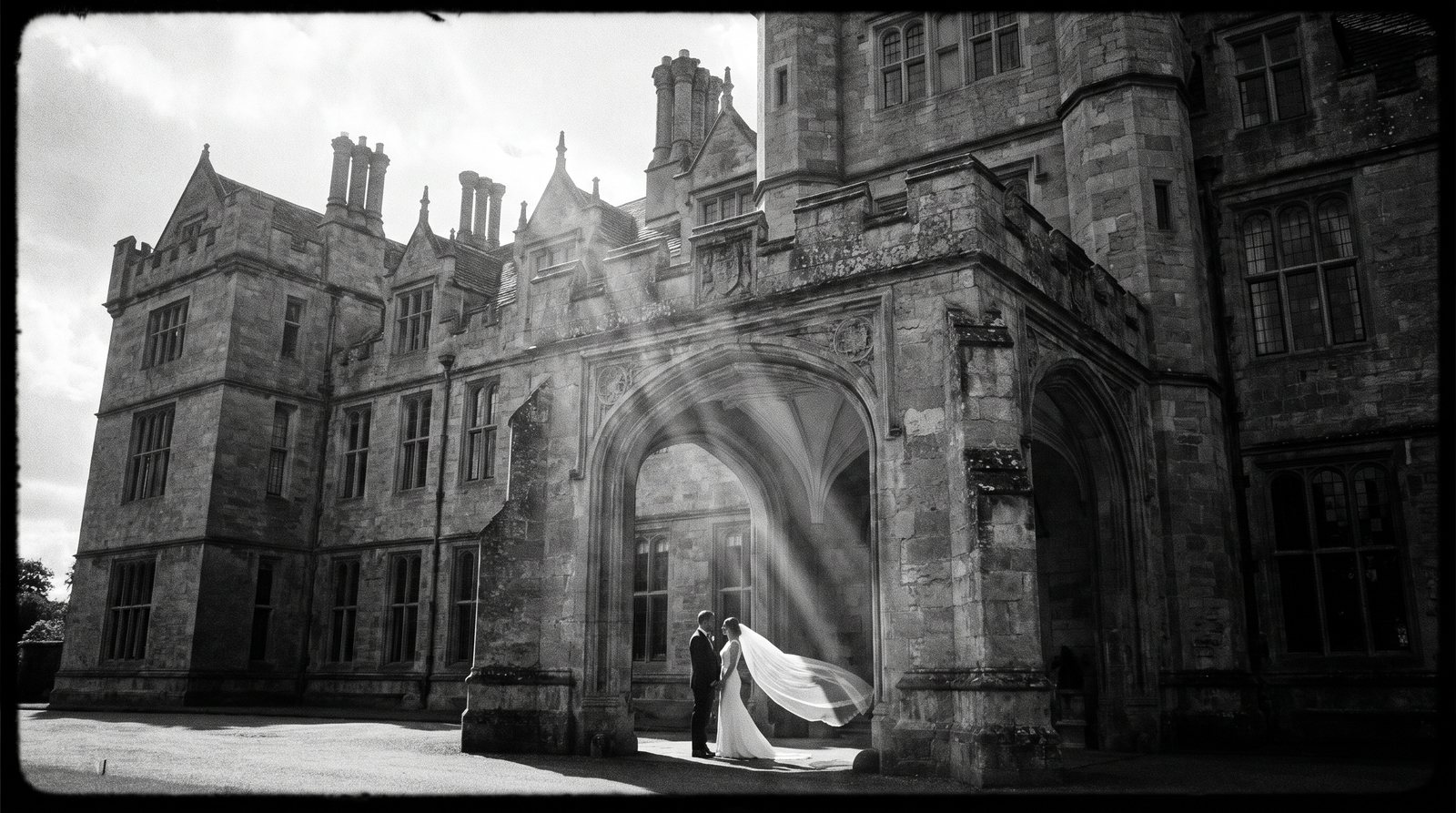
Get the wedding ceremony schedule wrong and the cost shows up in real time: a photographer losing light during a stalled recessional, a celebrant improvising because nobody told them what comes after the rings, a hundred guests standing on a lawn while the wedding party finds its cue. A wedding ceremony schedule fixes the order once, on paper, before any of that happens.
Three parts of it are fixed by Australian law.1 Everything else on this page is a running order you and your celebrant build together, and it is worth building on purpose rather than copying from the last wedding you attended.
The order, and what is actually required
Ten to twenty minutes is the shortest a legally complete ceremony can run - the NSW Registry's own civil ceremony, arrival included.4 Everything longer than that is content you have chosen to add, not content the law is asking for.
| Step | Comes | Who leads it |
|---|---|---|
| Guests seated | 15-30 minutes before start | Ushers or venue staff |
| Wedding party and celebrant in place | Just before start | Coordinator or celebrant |
| Processional | Ceremony start | Couple and wedding party |
| Welcome and the monitum | Right after | Celebrant, fixed wording1 |
| Readings (optional) | After the welcome | Chosen readers |
| Vows | Mid-ceremony | Couple, traditional or personalised |
| Rings (optional) | Right after vows | Couple |
| Pronouncement and kiss | Right after vows or rings | Celebrant |
| Signing the register | Immediately after | Couple plus two witnesses3 |
| Recessional | Ceremony end | Couple and wedding party |
Two rows on that table cannot move: the celebrant has to be physically present throughout, and at least two witnesses over 18 have to be there for the signing.2 Nothing in the Act sets a duration for any single row, which is exactly why two ceremonies with the same ten rows can still run twenty minutes apart.
The table exists for one more reason: it is the document your photographer, videographer and MC actually want, not the emotional description you might give a friend. A photographer reading "processional, then welcome" knows to be at the aisle for the first and can relax for the second. Send this order to every vendor working the ceremony before the week of the wedding, not on the morning of it.
How long each version actually runs
Australian celebrants describe three real bands rather than one average. A legals-only ceremony, no readings and no rituals, runs 10 to 15 minutes; a personalised civil ceremony with a couple of chosen elements runs 20 to 30 minutes; an elaborate or themed one runs 30 to 45 minutes or more.6 Six working celebrants put the same middle band at 20 to 30 minutes depending on content and rituals.5 Two Australian wedding planners land on the same figure from the other side of the industry, describing a ceremony that typically runs 20 to 30 minutes before the room moves to family photos.7
Ask your celebrant which band your own order of service falls into before you promise your photographer or your MC a number. A blend of readings, a ring exchange and a unity moment is a 30-to-45-minute ceremony wearing a 20-minute couple's expectations, and that is where a run sheet starts to slip before the reception has even opened.
What is optional, and what stretches it
The words row is not one fixed script. Only 10% of Australian couples use a fully traditional set of vows; 42% write their own, and 48% blend a legal form with personal lines.8 Personalised or blended vows run longer than a traditional set almost by definition, so this is the single row on the table most worth timing with your celebrant in advance rather than guessing on the day.
Readings, a ring exchange and a unity ritual are the other three optional rows, and each one is exactly as long as you decide it should be. None of them appear anywhere in the Marriage Act.1 Cut all three and the ceremony sits near the registry floor; keep all three and it sits near the elaborate band, and there is nothing wrong with either choice as long as the people timing the rest of the day know which one you picked.
Two decisions to make before the day
Two questions settle a lot of the schedule before the ceremony starts. Most Australian couples, 83%, book a civil celebrant rather than a religious one, which is the decision that sets whether the monitum applies or a religious body's own rites do instead.81 And 78% request an unplugged ceremony, no phones out during the vows.8 That second one only works if it reaches guests before the processional, not as an announcement said once and forgotten - put it on the seating cards or have an usher mention it while people are being seated.
The order on one rail
Once the running order is set, it becomes one line in the rest of the day's schedule rather than ten separate rows for everyone to track. PlannedBy's run sheet generator takes the ceremony time as its single input and places the arrival, the ceremony block and the photographs that follow it on the rest of the day automatically. The ceremony order above still has to be decided by you and your celebrant; what the generator saves is re-typing every other row on the day each time that one time moves.
One ceremony time, the whole day placed around it The run sheet generator takes your ceremony time and lays out arrival, photos and everything after it on a real clock, on a single payment for the whole wedding.
Frequently asked questions about the wedding ceremony schedule
What is a wedding ceremony schedule?
The order the ceremony itself runs in, from guests being seated to the recessional, plus who is responsible for each step. It is the section of the day's run sheet that covers the ceremony specifically, not the reception that follows it.
What are the legally required parts of an Australian ceremony?
The celebrant's monitum, the words each of you says, and the signing of three certificates by you, your celebrant and two witnesses over 18.13 Everything else on the order above is optional.
How long does the ceremony itself take?
Between 10 and 45 minutes depending on what you include: 10 to 15 for a legals-only ceremony, 20 to 30 for a personalised civil one, and 30 to 45 or more once readings and rituals are added.6 See how long a wedding ceremony takes for the full breakdown.
Do we need readings or a ring exchange?
No. Neither appears in the Marriage Act.1 Add them if they mean something to you; the schedule above works with or without them, it just runs a few minutes longer with them in.
Who has to be there for the signing?
You, your celebrant, and two witnesses aged 18 or over.3 Pick those two witnesses before the day and tell them where to stand, because the signing table is the one row on this schedule that cannot happen without them.
What happens right after the recessional?
Family photographs, usually for about half an hour, before the day moves to cocktail hour.7 See the gap between ceremony and reception for how that half hour is usually spent.
Does the order change for a religious ceremony?
The content does. A minister of religion is exempt from the set civil wording and follows the rites of their own religious body instead.1 The shape on the table above still applies: guests are still seated first, the couple still processes in, and the day still ends on a recessional. Ask your officiant early for their own order of service so the schedule reflects what they actually do, not the civil version by default.
Before you lock a running order, ask your celebrant one question: which of these ten rows do they insist on, and which are entirely yours to keep or cut? That answer decides the schedule faster than any average on this page. Put the ceremony time that comes out of it into the run sheet generator and let the rest of the day build itself around it.
Sources
- Marriage Act 1961 (Cth), Compilation No. 34, sections 45 and 46
- Marriage Act 1961 (Cth), Compilation No. 34, sections 41, 43 and 44
- Get married
- On the day of your Registry wedding
- How long does a civil ceremony take? | Expert Wedding Advice
- How long does a marriage ceremony usually take?
- What actually happens at a normal Australian wedding from start to finish? | Expert Wedding Advice
- The Annual Australian Wedding Industry Report 2026 (Issue Eleven)