Wedding Planning Checklist: Six Phases, Six Documents
A wedding planning checklist in six phases, each one finished when it has produced a document a supplier can act on. Australian figures and real run sheet rows.
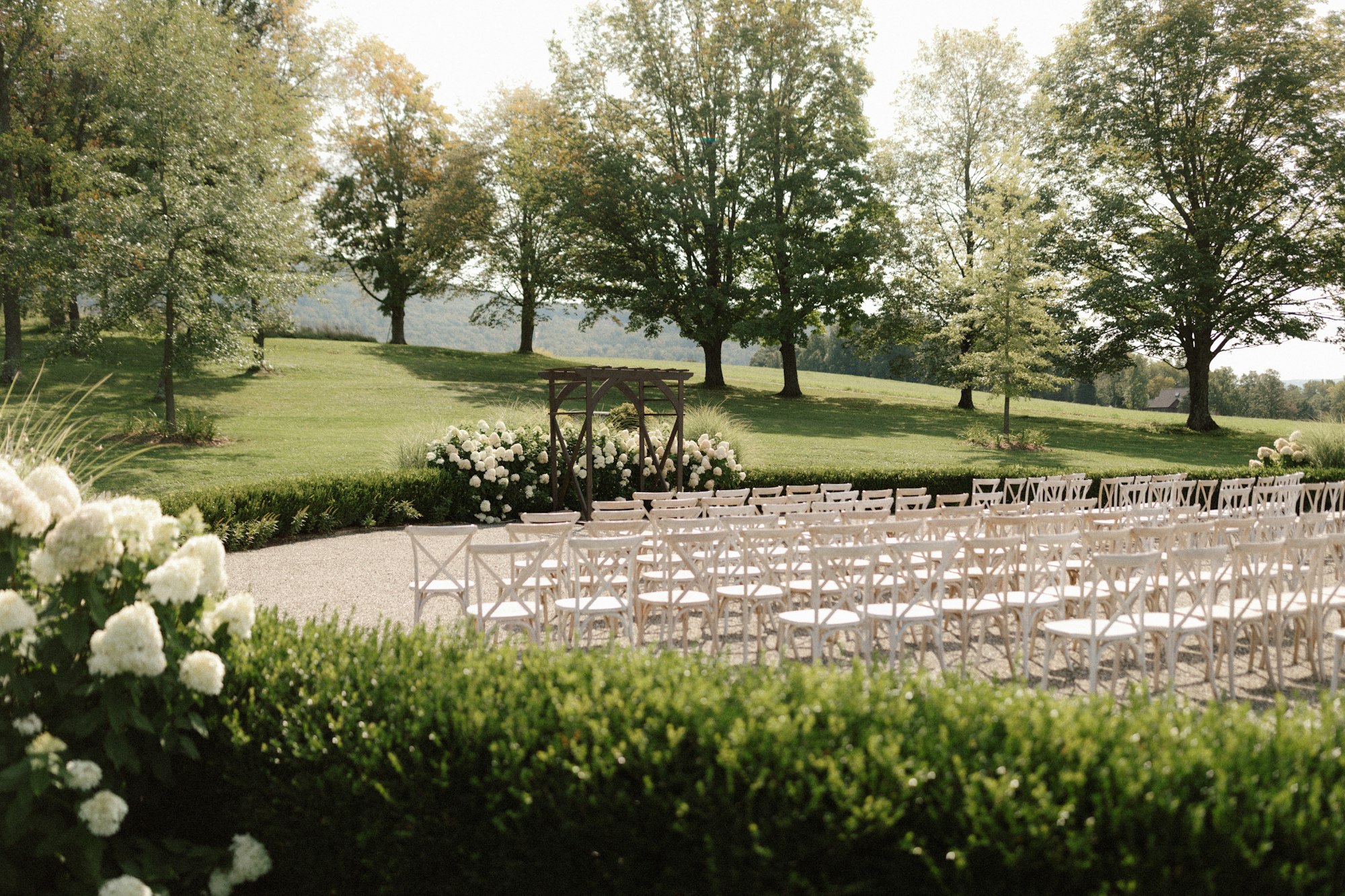
Use a wedding planning checklist ordered by month if your date is more than a year out. Use one ordered by document if it is closer, because a month only tells you when to worry and a document tells you when a phase is finished.
This is the second kind. Six phases, and a phase ends when it has produced a file somebody other than you can act on. Call it the handover test: if a supplier would still have to ring you to use what you just made, the phase is not done, whatever the calendar says.
The six phases in order, and the document each one has to produce before it is finished.
How to use this wedding planning checklist
Work the phases in order and let the dates float. The windows below are the usual ones, not the rule.
| Phase | Usual window | The document it produces | Done when |
|---|---|---|---|
| 1 | 12 months and earlier | Venue confirmation and the legal notice | The date is fixed and lodged |
| 2 | 12 to 9 months | The guest list, counted | Two columns and a number, not a vibe |
| 3 | 9 to 6 months | The supplier contact sheet | Every booked role has a name and a mobile |
| 4 | 6 to 3 months | The first schedule | One ceremony time in, a full day out |
| 5 | 3 months to 4 weeks | Seating plan and final numbers | The caterer has a headcount, the room has a map |
| 6 | The final month | The run sheet, distributed | Every supplier is reading their own version |
Being behind on the calendar costs you nothing on its own. Being on a later phase with an earlier document still missing is what costs money, because everything built on top of the gap gets rebuilt.
Phase 1: the venue confirmation and the legal notice
- Agree a season and two candidate dates before you contact a venue. Venues answer faster when you bring dates rather than questions.
- Book the venue and get the confirmation in writing, with the access hour and the clear-out hour on it. Those two times set the ends of your day.
- Write the budget with the real starting number. Australian couples begin at an average of $29,471 and finish at an average of $38,252, about 23% more than they set out to spend.1
- Settle who is contributing, in writing, in one message. 69% of Australian couples receive financial help from family.1 Unspoken assumptions about that are the most expensive item on this list, and the cheapest to fix now.
- Lodge the notice. In Australia the notice of intended marriage goes to an authorised celebrant at least 1 month, and not more than 18 months, before the wedding.3 It is the only item here with a legal floor under it.
If the gap between those two budget figures is the number you want pulled apart, we did that in how much a wedding costs in Australia.
Phase 2: the guest list, counted
The guest list is not a phase because it is difficult. It is a phase because three other documents cannot start without its number.
- Build it in two columns, definite and maybe, and count both. Do not round, and do not write it in a group chat.
- Take the count to the venue before you take it to anybody else. A room capacity is a harder constraint than a budget.
- Collect postal addresses at the same time as names. Doing this twice is the tax on doing it fast the first time.
Weddings in 2025 averaged 117 guests.2 That number, whatever yours is, becomes the catering figure, the table count and the invitation run. Get it wrong and all three are wrong together.
The guest count sets the catering numbers, the table plan and the invitation run.
Phase 3: the supplier contact sheet
Couples married in 2025 hired an average of 13 wedding professionals.2 Thirteen businesses, one day, and no two of them need the same information.
- Book in order of scarcity rather than preference. Photographers and celebrants hold single dates and go first.
- Start the contact sheet the day you book supplier number one: role, business name, the mobile of the person actually working the day, arrival time, and what they need on site.
- Put arrival times into the schedule as rows, not as notes in an email. A time nobody can see is a time nobody honours.
- Settle the catering service format now, plated or shared or roaming. Format decides the furniture, the room and forty minutes of the evening.
The shipped run sheet template carries nine columns, one shared sheet plus photographer, videographer, hair and makeup, celebrant, florist, caterer, DJ or band, and transport. That is a serviceable list of who to chase, in the order a day needs them.
Phase 4: the first schedule
This is the phase most checklists put last, and it is the one that changes what the others are worth.
Type one time into the run sheet generator and it returns a written day rather than an empty grid. Give it a 3:00 PM ceremony and nothing else and it hands back three sections and twelve rows: getting ready at 11:00 AM, bouquets at 12:30, leave for the venue at 2:15, guests arriving at 2:30, the ceremony at 3:00, family photos at 3:30, the florist moving arrangements at 5:00, the couple introduced at 6:00, dinner at 6:45, speeches at 7:30, the first dance at 8:30, send off at 11:00 PM.
Every one of those rows except the ceremony is an offset. Preparation sits four hours before the ceremony, cars leave 45 minutes before it, guests arrive 30 minutes before, family photos land 30 minutes after, dinner is 45 minutes into the reception and speeches 90. Move the ceremony and all of them move with it. A time you typed yourself is placed at exactly that time and is never shifted, which is what makes the venue's hard finish safe to type in.
A 3:00 PM ceremony typed into the generator, and the twelve rows it returns around it.
The mechanics of that, offset by offset, are in how to make a wedding day timeline. If you would rather start from a full day and cut it back, the wedding day timeline template is the same document at 62 rows.
Do this phase in three minutes Put your ceremony time into the run sheet generator and read what comes back. No signup, and it emails itself to you as a PDF.
Phase 5: the seating plan and the final numbers
- Send invitations and set your RSVP date four weeks before the caterer's deadline, never on it.
- Build the seating plan once RSVPs pass 80%. Earlier than that is doing it twice.
- Check dietary requirements against the final guest list rather than the invitation list.
- Confirm every supplier arrival in writing and update the schedule rows to match.
- Run the ceremony rehearsal with the celebrant and the wedding party.
The seating chart maker does this phase in the browser: drag long and round tables onto grid paper, tag guests into groups, then drop a whole group onto a table at once. No account, and it emails itself to you as a PDF. Nothing is saved when the tab closes, so send yourself the PDF before you shut it.
Final balances belong in the same document as the schedule. Record what each supplier is owed, when it falls due, and the date it cleared, so that on the day nobody is looking for a receipt.
Phase 6: the run sheet, distributed
Writing the run sheet is half of this phase. Sending it is the half that fails.
The shipped template is 62 rows across four sections, 7:30 AM to 11:15 PM. Nobody reads all of it. The photographer's column has content in 23 rows, the caterer's in 16, the celebrant's in 14, the florist's in 12 and hair and makeup in 11. Send all 62 to all of them and the row that was theirs is the one they miss.
- Send each supplier their own filtered view rather than the whole document. In the product each supplier gets a mobile-first portal showing only their rows, opened with an access code rather than a download or a signup.
- Send a link, not an attachment. Jordan, founder and lead wedding coordinator at Managing Matrimony, sends the finished run sheet to every paid supplier plus the MC, the wedding party, the parents and one trusted family member, as a PDF to print and a live link for the late edits.4
- Name one person who is not you to run the day, and give them the schedule, the contact sheet and the payment status.
- On the morning, confirm arrivals against the schedule as they happen, hand the rings and the paperwork to that named person, then stop reading it.
How many of the 62 rows each supplier's own column actually carries.
The DIY plans are a single payment for the whole wedding rather than a monthly charge, which suits an event with an end date. See pricing for what applies where you are.
Common questions
When should we start a wedding planning checklist? The week you agree a season. Phase 1 has the longest queue in front of it, because venues and celebrants are the two bookings competing hardest for your date.
What should we book first? The venue, then the photographer and the celebrant. All three hold single dates, and the venue's access and clear-out hours set the ends of every schedule you write afterwards.
How far ahead do suppliers need the run sheet? Two to three weeks for the first version, then a live link. A schedule sent once, four weeks out, is wrong by the wedding day in almost every case.
Do we need a day-of coordinator? If nobody outside the wedding party can hold 62 rows and a phone list without being in the photographs, yes. The alternative is one person doing both jobs at once and neither of them well.
Is a run sheet the same thing as a wedding day timeline? Yes. Run sheet is the Australian name and timeline is the American one for the same minute-by-minute document.
What do most wedding planning checklists leave out? The schedule, as a phase with its own output. It usually appears as one line item next to the cake, when it is the document every supplier works from.
The one thing to do today
Open the run sheet generator, type your ceremony time, and read the twelve rows it gives you back.
It takes about three minutes and it does two useful things at once. You get phase 4's document in draft, months before you were going to write it. And you find out which of the earlier phases is missing, because a derived day asks you for the venue's clear-out hour and the getting-ready address in the same breath, and the gaps in your own answer are the phase you actually have to do first.