Wedding Vendor Checklist: What to Book, and When
A wedding vendor checklist ordered by when to book each supplier, from the venue at 12 months out to the final week-before confirmation calls.
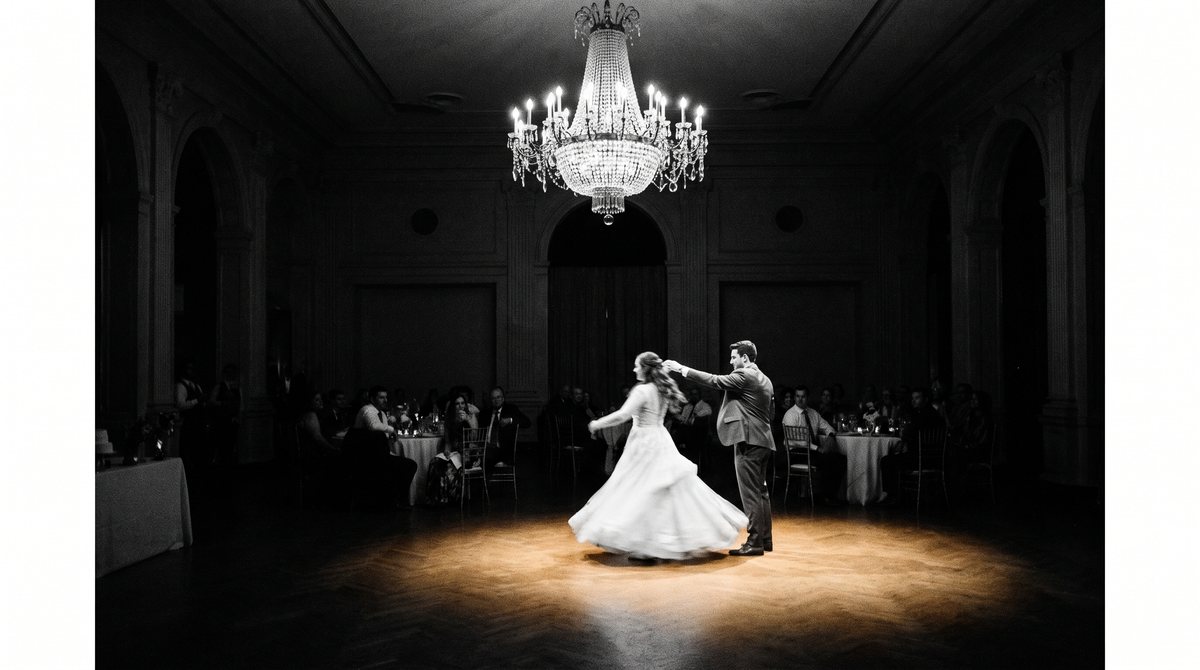
A wedding vendor checklist stops couples booking out of order and losing a vendor to someone who moved faster. Skip the sequence and the cost is real: a venue confirmed before the guest count is set often forces a second, more expensive booking, and a celebrant left until the final months can already be taken. Australian couples book in a fairly consistent order, venue and catering first, celebrant and photography soon after, and each supplier category has its own window before it runs out.2
The order Australian couples actually book in
The 2026 Easy Weddings Annual Report tracked booking order across thirty supplier categories from more than 4,000 couples. The pattern holds regardless of budget: venue first, then catering, then a wedding planner where one is used, then celebrant, then photography, then the wedding dress, then videographer, music and transport.1 A wedding planner is booked third overall, straight after the venue and the caterer, ahead of the celebrant and the photographer.4
That order is what happens once a couple sets a date and starts calling, not a fixed rule. The venue decides the guest cap and the room a caterer has to work with, which is why almost every other booking waits on it.
12 months and earlier: the anchors
| Book | Typical lead time | Why it goes first |
|---|---|---|
| Venue | 11 months2 | Sets the date, the guest cap and the room every other vendor works around |
| Caterer | Soon after the venue | Menu and headcount depend on the room booked |
| Celebrant | 9 months2 | Legally required, and the notice period starts once they are booked |
Venue is the checklist item that moves every date after it. Australian couples lock a venue in at around 11 months before the wedding on average, and every other lead time on this list is measured against that same starting point.2 Book the venue, confirm the date in writing, then move to the caterer if catering is not already included in the venue package.
9 months out: the core team
Photographers, celebrants, musicians and hair and makeup artists are all typically booked around the same 9-month mark.2 These categories carry the highest booking rates of any supplier group after the venue: photography sits at 90%, hair and makeup at 85%, and celebrant at 83%.3
Book all four in the same window instead of one at a time. A photographer confirmed in month nine and a celebrant left until month five are chasing two different calendars, and the celebrant's calendar fills first because far fewer of them work each weekend.
6 months out: transport and the finishing categories
Wedding car and transport suppliers are typically the last of the core team booked, at around 6 months before the wedding.2 Florists, stylists and photo booth suppliers usually follow in the same window, once the venue, caterer, celebrant and photographer are locked and the shape of the day is settled.
Treat 6 months as the point where the checklist shifts from booking to confirming. Every supplier engaged before this point should already have a signed agreement, a deposit paid, and a note of when the balance is due.
The one legal deadline on this list
Every other item here is a scheduling decision with room to move. This one carries a legal window that a signed contract cannot shift. Under the Marriage Act, a Notice of Intended Marriage must reach the authorised celebrant no earlier than 18 months and no later than 1 month before the wedding date.6 A celebrant cannot legally marry a couple who missed that window, no matter how far in advance everything else was booked.
Set a reminder for the notice the same day the celebrant is booked, not the week before the deadline. A celebrant booked at 9 months out still has a wide margin; a couple booking a celebrant at 6 weeks out is close to the 1-month floor and needs to confirm the notice can still be lodged in time.
The week before: what to confirm with every vendor
The final pass on this checklist is not about booking. It is about making sure nothing has drifted since the deposit was paid. Contact every vendor in the final week and confirm four things: arrival time, final headcount or guest-dependent numbers, the venue address and access point, and a mobile number for the day itself.
This step matters more than it looks. More than half of Australian couples say they have been ghosted by a supplier at some point during planning.5 A confirmation call in the final week catches a vendor who has gone quiet while there is still time to find a replacement, rather than on the morning of the wedding.
Once every vendor confirms, the checklist's job is done and the run sheet takes over: instead of tracking who is booked, it tracks who arrives when. PlannedBy's run sheet generator turns each confirmed arrival time into a minute-by-minute schedule, and its supplier view shows each vendor only their own rows.
Frequently asked questions
What is the first vendor to book for an Australian wedding? The venue, typically around 11 months before the wedding.2 It sets the date, the guest cap and the room every other supplier works around, which is why almost every checklist puts it first.
How many vendors does an Australian wedding actually need? It depends on the wedding, but the highest booking rates after the venue belong to photography, hair and makeup, transport and the celebrant, each booked by over 80% of Australian couples.3 Smaller weddings can skip categories further down the list without the day losing structure.
When do I need to lodge the Notice of Intended Marriage? No earlier than 18 months and no later than 1 month before the wedding date, given to the authorised celebrant.6 Set the reminder when the celebrant is booked so the deadline never becomes the tight part of the plan.
Should a wedding planner be on the checklist, and where? Where couples use one, a wedding planner is typically booked third, right after the venue and the caterer and ahead of the celebrant and the photographer.4 Booking the planner early means every later item on the checklist gets made with their input rather than around their absence.
What happens if a vendor stops responding? Confirm the booking status in writing at the deposit stage, then follow up on a schedule rather than waiting for a reply. More than half of Australian couples report being ghosted by at least one supplier during planning.5 A vendor who goes quiet for more than two weeks after a scheduled follow-up is worth a phone call, not another email.
The one thing to do today
Pick the vendor category furthest from being booked and put a date on it. If the venue is not locked in, everything else on this checklist is waiting on a decision that has not been made. If the venue is booked, check the Notice of Intended Marriage window against the celebrant's booking date. It is the one item on this list with a legal deadline attached, and the easiest one to forget because nothing on the calendar reminds you of it.
For the confirmed side of the list, once every vendor has a signed agreement and a deposit paid, move the detail into the run sheet template and the vendor contact list rather than an inbox. The checklist tells you what to book and by when. The contact list holds the detail once it is booked, and the free planning tools hold both without a signup.
Sources
- The Annual Australian Wedding Industry Report 2026 (Issue Eleven)
- The Annual Australian Wedding Industry Report 2026 (Issue Eleven)
- The Annual Australian Wedding Industry Report 2026 (Issue Eleven)
- The Annual Australian Wedding Industry Report 2026 (Issue Eleven)
- The Annual Australian Wedding Industry Report 2026 (Issue Eleven)
- Marriage Act 1961 (Cth), Compilation No. 34, section 42