What Time Do Wedding Suppliers Arrive?
What time wedding suppliers arrive depends on what they set up. Caterers and florists need 90-120 minutes; photographers and celebrants need 30-60.
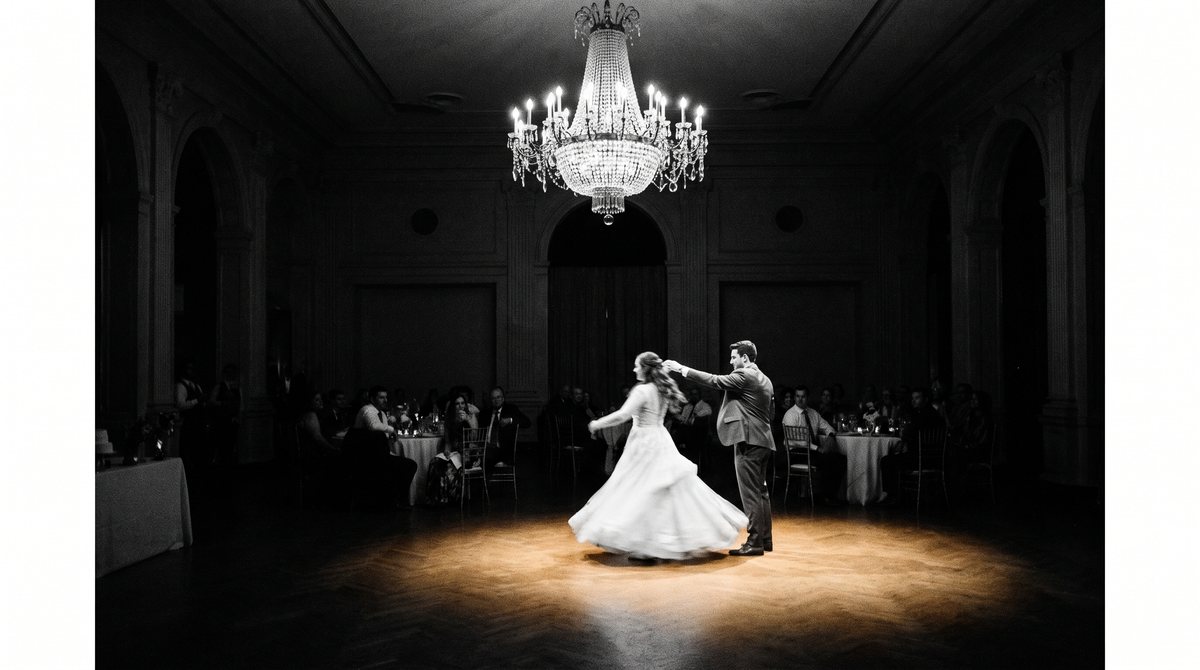
Use 90-120 minutes lead time for wedding suppliers who set up the space - caterers, florists, decorators, and AV crews. Use 30-60 minutes for suppliers who arrive with personal equipment - photographers, officiants, and musicians. The ceremony time is the fixed point; every supplier arrival time is derived from it.
The getting-ready block is where the day starts
The PlannedBy run sheet generator places the getting-ready block at 4 hours before the ceremony. Hair and makeup begins there. If the photographer is covering the morning preparation, they arrive at the same time.
On a wedding with a 4pm ceremony, getting ready starts at noon. Everything else on the run sheet falls from that anchor.
US couples work with an average of 13 wedding professionals on a single day.1 That many suppliers - each arriving at a different point, at the same venue - is why the run sheet needs a named arrival time for each one, not just a role.
Which wedding suppliers arrive first
Ordered by arrival, earliest to latest:
Hair and makeup - 4 hours before the ceremony, sometimes earlier when the wedding party is large. The number of people in the chair sets the start time; the ceremony time sets the end. An 8-person wedding party at 45 minutes each needs 6 hours minimum, not 4. Confirm the start time with the stylist before setting anything else on the run sheet.
Florist and decorator - 2-3 hours before the ceremony. They need uninterrupted access to arrange ceremony florals, table styling, and any arch or suspended installation. Many venues separate contractor access (for suppliers who build things) from general vendor access. Confirm the contractor window separately from the setup time listed on the general venue guide.
Photographer - if covering getting ready, they arrive with hair and makeup. If the brief is ceremony and portraits only, then 30-60 minutes before the ceremony. Photographers service one wedding per day and their schedule is set months in advance.3 Confirm arrival time directly with them, not via the venue.
Caterer - 2-3 hours before the reception service begins. A caterer needs kitchen access, not general venue access. A 7pm dinner service needs a caterer on-site by 4-5pm to prep, stage, and plate. Confirm their kitchen access window with the venue coordinator directly, since it is often different from the general contractor window.
DJ or band - 2 hours before their first set, for load-in and sound check. A reception starting at 6pm means the DJ or band needs to be set up by 4pm. Musicians self-report working 24 hours across a single wedding engagement.3 Most of that time is preparation before and travel after the event.
Celebrant - 30-45 minutes before the ceremony, to walk the space, brief the wedding party on the processional order, and check paperwork. Guests arrive 30 minutes before the ceremony begins.2 The celebrant and the guests reach the venue at roughly the same time, from opposite ends of the site.
| Supplier | Typical arrival | Active phase |
|---|---|---|
| Hair and makeup | Ceremony minus 4+ hours | Getting ready |
| Florist and decorator | Ceremony minus 2-3 hours | Setup |
| Photographer | Getting-ready start or ceremony minus 30-60 min | Full day or ceremony |
| Caterer | Reception minus 2-3 hours | Cocktail hour and dinner |
| DJ or band | Reception minus 2 hours | Cocktail hour and dancing |
| Celebrant | Ceremony minus 30-45 minutes | Ceremony |
| Guests | Ceremony minus 30 minutes | Ceremony onward |
Venue access shapes every arrival window
Australian wedding venues report working an average of 41 hours per wedding.3 Most service only one wedding per day. That means the venue team is on-site from early in the day, but their access windows for outside suppliers are often separate from general guest access.
Before locking in any supplier arrival time, confirm three things with your venue:
- When contractor access starts - for florists, caterers, AV crews, and decorators who need to build or install
- When general vendor access starts - for photographers, videographers, and celebrants who carry their own equipment
- Whether ceremony and reception spaces have separate access points
A florist arriving at the same moment as a catering truck, through a single service corridor, loses setup time that cannot be recovered.
Frequently asked questions
What if my venue does not open early enough for all the setup?
Work back from the ceremony time. If the florist cannot access the space until 2 hours before the ceremony, complex florals will be under time pressure. Either adjust the ceremony time, simplify the setup, or negotiate an earlier access window with the venue.
Do suppliers coordinate with each other?
Not by default. The run sheet is how they learn what is happening around them. A photographer who does not know when florals will be finished cannot plan pre-ceremony detail shots. Each supplier on the list needs the full run sheet, not only their own rows.
Can hair and makeup happen off-site?
Yes. If the preparation location is different from the ceremony venue, the run sheet needs a departure time from the preparation space and an arrival time at the ceremony venue. The PlannedBy run sheet generator derives both from the ceremony time.
What if a supplier arrives late?
It depends on which one. A late florist compresses setup time and may affect pre-ceremony photos. A late celebrant with guests already seated is more urgent. For every supplier on the run sheet, list a direct contact number so whoever is managing the morning can reach them immediately.
Should guests receive the same run sheet as suppliers?
No. The run sheet is a working document for suppliers, the couple, and their coordinator. Guests receive an order of service for the ceremony and a broad sequence for the reception if needed. The operational timing and contact detail in a supplier run sheet would be meaningless, and occasionally confusing, for a guest.
What changes in 12 months
Supplier booking systems are moving toward direct calendar integration. As more AU photographers, caterers, and AV crews adopt tools that hold their own day-of schedule, the expectation will shift from a PDF sent one week before to a live shared link updated in real time. The timing expectations on this page are unlikely to change; how suppliers confirm and acknowledge them will. A shared run sheet link that each supplier can view is already the more reliable option.