Day-of Wedding Coordinator Checklist: Every Phase
A day-of wedding coordinator checklist for the six phases of the wedding day itself, from the morning walk-through to pack-down, built from PlannedBy's own run sheet.
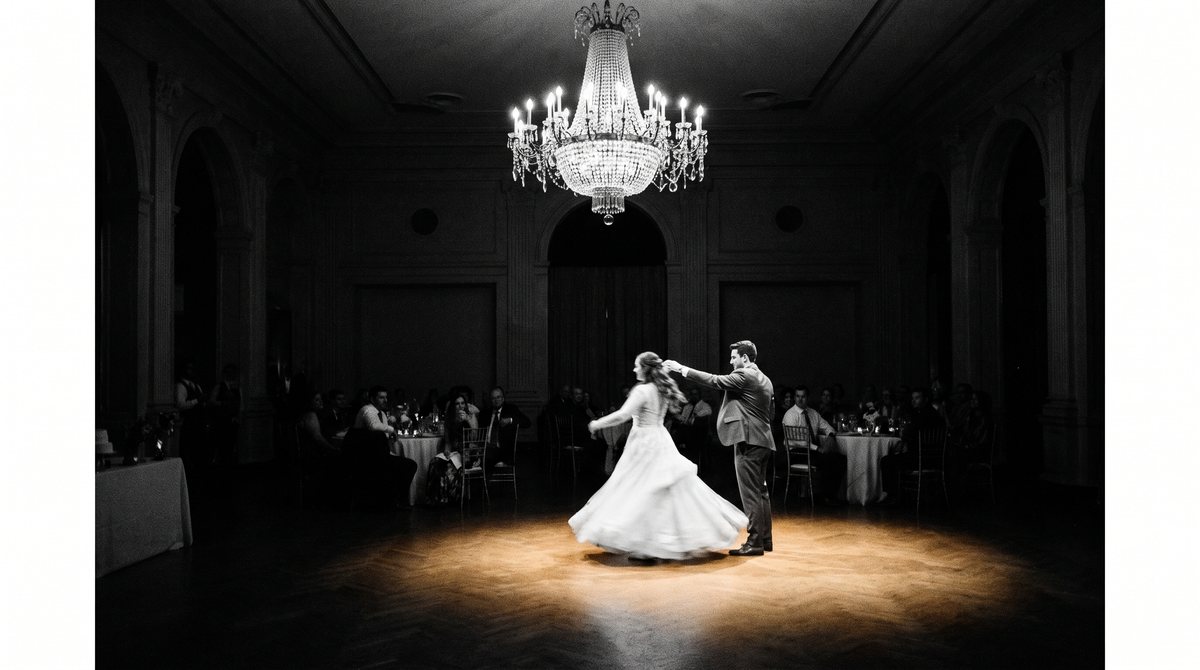
A day-of wedding coordinator checklist is not the wedding checklist you have already been running for a year. It covers six phases of the day itself, morning walk-through to pack-down, and every item on it is something a real person checks, confirms or cues at a real time.
What a day-of wedding coordinator checklist actually covers
The shipped PlannedBy run sheet is built as nine columns, a Primary Sheet everyone reads plus one column each for the photographer, videographer, hair and makeup artist, celebrant, florist, caterer, DJ or band, and transport - and a row only reaches a supplier's column if that supplier's column has something in it. The Primary Sheet alone carries 32 rows on the shipped afternoon scenario, with the photographer column next at 23. A day-of checklist is that same structure read as tasks instead of rows: one list per phase, and inside each phase, one line per thing a coordinator does.
Six checkpoints across the day, built from one ceremony time.
The week before: confirm, do not plan
By the week before, the wedding is planned and the checklist's job changes to confirmation.
- Confirm every supplier's arrival window in writing, not just the date. A supplier who thinks they are due at 4:00 PM when the run sheet says 3:30 PM finds out on the day, not before it.
- Print or share the finished run sheet with every column filled, not a version still missing the caterer's times. A shorter shipped scenario runs from 5:45 AM to 4:00 PM; a split two-venue day runs 6:45 AM to 11:00 PM. Whichever shape the day takes, every supplier needs to see the same finished version.
- Name a backup for every phase. If the coordinator is the couple's aunt, someone else needs to be reachable if she is mid-crisis during speeches.
Morning: the walk-through, before any guest arrives
- Walk both spaces. Ceremony space first, then reception, checking each against what the run sheet promises: chairs out, signage placed, power available where a DJ or band will set up.
- Confirm arrival order against supplier capacity, not against hope. Venues and photographers can each work only one wedding that day; celebrants, musicians, hair and makeup artists and wedding car suppliers can each work two.1 A supplier fitting in a second wedding that afternoon is not being difficult by asking for a firm finish time - it is the actual ceiling on their day, and it is why the checklist confirms arrival windows first thing rather than mid-morning.
- Recheck the ceremony time has not moved. Every downstream row on the shipped run sheet is timed off that one anchor, so a ceremony time correction after this point cascades through the rest of the day rather than staying contained to one row.
Some suppliers can only work your wedding today. Others can fit in a second one.
Pre-ceremony and ceremony
- Brief the celebrant and confirm they have what they need, then confirm the processional order with whoever is walking down the aisle.
- Hold back latecomers rather than the ceremony. Once the celebrant starts, the ceremony itself typically runs 15 to 30 minutes, shorter for a legals-only ceremony and longer for one built around readings and rituals.2
- Cue the photographer for the exit before the couple walks back up the aisle, not after.
- Move guests toward cocktail hour without an announcement, so the space clears for the room turnover that starts the moment the ceremony ends.
Cocktail hour
- Hand the photographer the family formals list, printed, not recited from memory under time pressure.
- Confirm the reception room is guest-ready before cocktail hour ends, not during the first few minutes of it.
- Check the bar and catering are both tracking to the same start time. A caterer running early with nowhere to serve is as much a problem as one running late.
The nine columns on the shipped run sheet do not carry equal weight through this stretch of the day - the DJ or band column holds 21 rows and the videographer 19, both busier here than at any other point.
Every supplier gets a column. Some carry far more of the day than others.
Reception
- Confirm the room and the running order with the MC before guests are seated, not as speeches are about to start.
- Hold the speech block to its allowance. On the shipped reception scenario, three speakers get five minutes each with the MC holding the clock.
- Cue dinner service the moment speeches close, and expect roughly 45 minutes from the first plate landing to the last one cleared.
- Find both sets of parents before the cake is cut, and cue the DJ or band for the first dance straight after.
- Warn the bar ahead of last drinks, not at the exact minute. On the shipped scenario the dance floor stays open until 10:45 PM, last drinks are called at that point, and the bar closes fifteen minutes later.
The reception night in three blocks, minutes not hours.
Build the checklist as a run sheet, not a memory Put your ceremony time into the run sheet generator and every phase above gets a real clock time, split across a column for each supplier.
Pack-down and end of night
- Confirm the send-off cue with whoever is running music and lighting, so it lands as one moment rather than a scramble.
- Walk the space again once the couple has left. The shipped scenario carries one row after send-off: pack-down, fifteen minutes later.
- Collect personal items before the venue team starts its own clear-out - gifts, cards, decor pieces bought rather than hired, anything that will not survive being swept up with the rest of the room.
- Confirm final payments and any agreed tips with suppliers who are still on site, so nothing is chased by phone the next morning.
The day-of checklist at a glance
| Phase | What the coordinator checks |
|---|---|
| Week before | Supplier windows confirmed in writing, run sheet shared, backups named |
| Morning | Both spaces walked, arrivals confirmed against supplier capacity |
| Pre-ceremony and ceremony | Celebrant briefed, processional order set, exit cued |
| Cocktail hour | Family formals list handed over, room turnover checked |
| Reception | Speech clock held, dinner cued, last drinks warned ahead |
| Pack-down | Send-off cued, space walked again, payments confirmed on site |
Common questions
Do we still need this checklist if we are hiring a day-of coordinator? Yes. The checklist is the coordinator's working document, not a replacement for one. Handing it over already filled in is what makes the handover itself fast rather than a rebuild from scratch in the final week.
Is there any legal paperwork to check on the day itself? No. The Notice of Intended Marriage has to reach the celebrant not earlier than 18 months and not later than one month before the wedding.3 By day-of, that deadline has already passed and the paperwork sits with the celebrant, not the checklist.
What happens if a supplier is double-booked into a second wedding that day? Celebrants, musicians, hair and makeup artists and wedding car suppliers can each work two weddings in one day; venues and photographers can only work one.1 A supplier in the two-wedding group needs a firm finish time on the checklist, confirmed the week before, not negotiated on the day.
Who should hold the checklist if we are not hiring a coordinator? Name one person per phase rather than one person for the whole day: someone for supplier arrivals, the MC for the reception block, someone else for pack-down. Give each of them their own copy, built in the free tools.
How long should the ceremony itself take on the checklist? Budget 15 to 30 minutes for a typical ceremony, toward the shorter end for a legals-only ceremony and longer for one with readings, rituals or a full bridal party.2
What to decide next
The checklist above is generic until it carries your actual ceremony time. Put it into the run sheet generator and the six phases above come back with real clock times and a column for each supplier, ready to hand to whoever holds it on the day. The full run sheet template is the version worth printing, and it covers the cost of hiring the role out entirely if that is the decision still open.