Last-Minute Wedding Checklist: The One Fixed Deadline
A last-minute wedding checklist built around Australia's one fixed deadline, the Notice of Intended Marriage, and what still fits before the day.
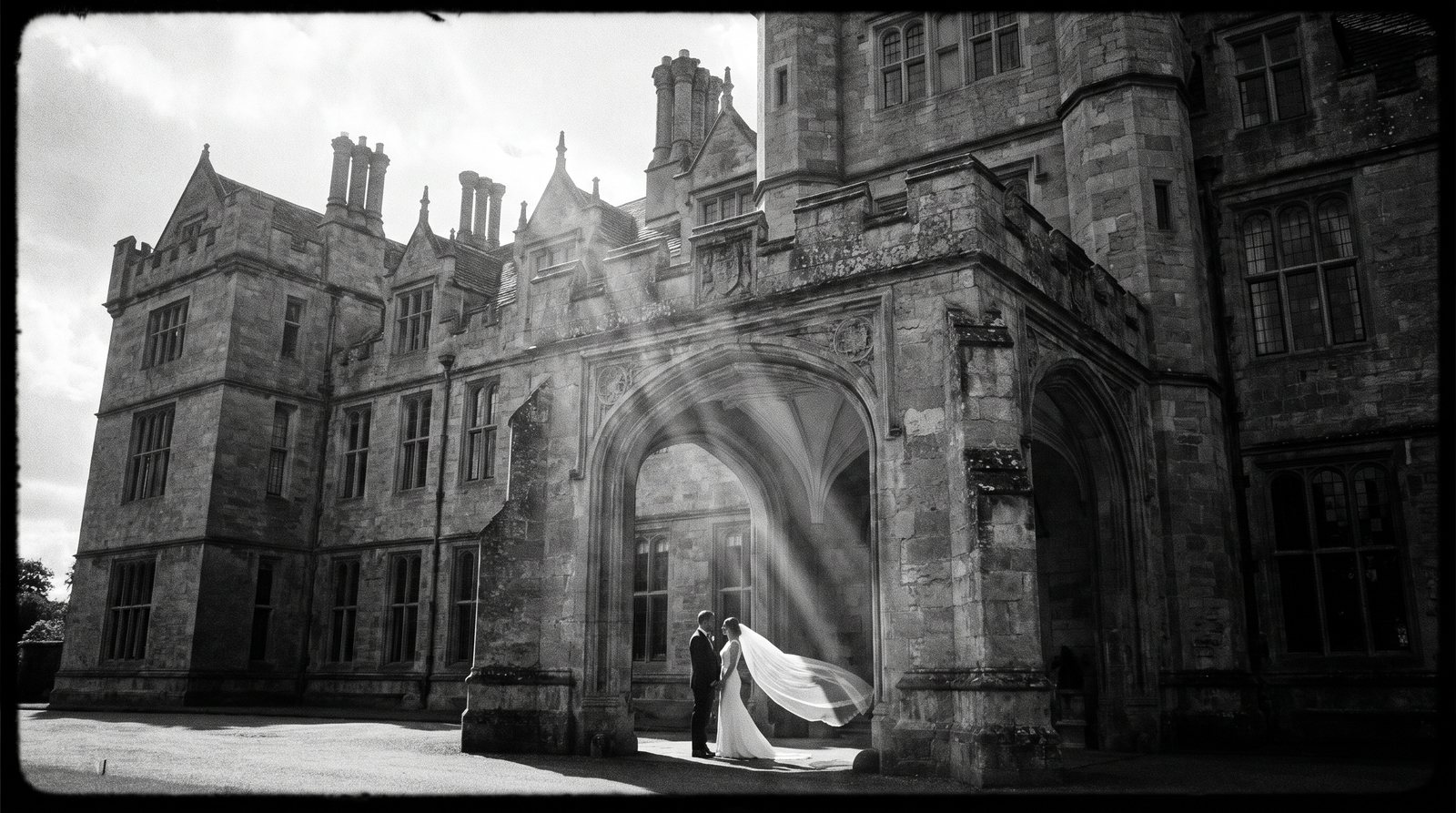
A last-minute wedding checklist splits into two piles: one item with a fixed legal deadline, and everything else. In Australia, the Notice of Intended Marriage has to reach an authorised celebrant no later than one month before the wedding date, and that window does not stretch to fit a shorter timeline.1 Everything else on this checklist is negotiable once you decide it can be.
That single fact changes the order this checklist runs in. Most wedding checklists start with the guest list. This one starts with the form that has an actual due date.
The one deadline: Notice of Intended Marriage
Under the Marriage Act, a couple must give written notice to their authorised celebrant not earlier than 18 months and not later than one month before the wedding date.1 The Attorney-General's Department states the same rule in plain terms: give the notice of intended marriage form to an authorised marriage celebrant at least one month and no more than 18 months before the wedding.2
| Time before the wedding | Notice status |
|---|---|
| 18 months or more | Too early to lodge |
| 1 to 18 months | Open window to lodge |
| Under 1 month | Needs a prescribed authority's approval |
Inside that one-month floor, the notice can still be shortened, but only by a prescribed authority acting under prescribed circumstances - a defined legal exception, not a fee a celebrant can waive on request.1 Two witnesses over 18 also have to sign the marriage certificates on the day, worth confirming with whoever is standing up for the couple before the week gets busy.2
What is not a legal problem
Speed is not the obstacle. Australian law places no restriction on the day, the time, or the place of the ceremony, and any authorised celebrant can conduct it.3 A Tuesday afternoon in a backyard carries exactly the same legal weight as a Saturday evening at a function centre. The notice period is the entire legal constraint on a fast wedding; the venue, the guest list, and the reception are all logistics, not law.
The ceremony needs less than people assume
The legal content of an Australian ceremony is short. Each partner says a required form of words, or words to that effect, and the celebrant reads a three-sentence introduction before it.4 Readings, extra vows, and a longer processional are all choices, not requirements, and a genuinely short ceremony is not a legal shortcut - it is simply an option that was always available, and one worth remembering when the guest list, styling, or reception is being planned around a tight number of hours.
Four weeks out: lock the notice, then the guest list
With four weeks left, lodge the notice first if it is not already lodged, then set the guest list. Every other number on this checklist gets quoted against a guest list - catering counts, seating, venue capacity - and a small one is faster to finalise than a large one under time pressure.
An Australian wedding planner who fields exactly this question describes what holds a compressed timeline together: a simple master checklist with booking status, payment dates, and outstanding actions can be a lifesaver in the final months before the wedding, run through one central system and one communication channel rather than scattered across texts and screenshots.5 At four weeks, that system does not need to be elaborate. It needs to exist before the second week starts.
Three weeks out: chase vendor availability, not paperwork
By three weeks, the paperwork problem is usually already handled or already flagged, and the open questions shift to which suppliers can still take the date. Call celebrants, venues, and photographers directly rather than emailing and waiting - a same-day answer is the difference between a locked date and a second round of calls. A wedding built this fast rarely has room for a supplier who cannot confirm within a day or two, so treat "let me check and get back to you" as a soft no and keep two options moving in parallel until one of them says yes.
Two weeks out: decide whether the day needs a coordinator
A wedding built in under a month often has fewer spare hands than a longer engagement would have recruited along the way. A day-of coordinator is priced separately from full planning, and Easy Weddings puts the day-of rate at $1,500 to $2,000 AUD to oversee the schedule and keep the day on time.6
Hiring one is optional. Booking one buys back the hours a longer engagement would have spent building the same schedule, and it earns its cost most clearly when nobody in the wedding party has a free day to run logistics - checking supplier arrivals, cueing the ceremony, managing the handover into the reception. A couple with a family member willing to hold that role for the day can skip the cost and put it toward the guest list or the venue instead.
One week out: build the schedule, not the plan
Most of the remaining decisions are made by now, and what is usually missing is the document that tells everyone where to be. PlannedBy's run sheet generator derives a full day-of schedule from a single input, the ceremony time - getting ready, arrival, ceremony, photos, and reception all placed automatically, with no need to build a timeline by hand under a countdown.
DIY pricing is a single payment for the whole wedding, not a subscription, which matters for a couple who will use the tool once and have no reason to return to it after the day.
The day before and the day of
Share the finished schedule with every paid supplier and with the two witnesses who will sign the certificates, confirm who is holding a printed copy in case a phone dies, and stop treating the checklist as a draft. Nothing left on it should still be negotiable.
Frequently asked questions about last-minute weddings
How late can you lodge a Notice of Intended Marriage?
No later than one month before the wedding date, except where a prescribed authority approves a shorter notice in prescribed circumstances.1
Can you legally get married on short notice in Australia?
Yes, provided the notice deadline is met. Australian law sets no restriction on the day, time, or place of the ceremony itself.3
Do you need a wedding planner for a last-minute wedding?
No. A day-of coordinator, priced separately at $1,500 to $2,000 AUD, covers the schedule and logistics on the day itself without taking on full planning.6
What should be done first on a last-minute wedding checklist?
The Notice of Intended Marriage, because it is the only item on the list with a date the law sets rather than one the couple chooses.1
Can a full day-of schedule still be built a week out?
Yes. A schedule derived from one ceremony time takes minutes to generate, whether the wedding is four months away or four days.
Is eloping the only fast option?
No. A registered ceremony with a small guest list still needs the same notice period as a large one - the guest count changes catering and venue logistics, not the legal timeline.1
What happens if the notice deadline is missed?
The wedding date has to move, unless a prescribed authority grants a shortened notice under the Act's own exception, which is discretionary and not something a celebrant can promise in advance.1
The one thing to do today if the wedding is inside a month: confirm the notice has been lodged. Everything else on this checklist can still move.
Sources
- Marriage Act 1961 (Cth), Compilation No. 34, section 42
- Get married
- Marriage Act 1961 (Cth), Compilation No. 34, sections 41, 43 and 44
- Marriage Act 1961 (Cth), Compilation No. 34, sections 45 and 46
- What are the best ways to keep vendor details organised? | Expert Wedding Advice
- How much does a wedding planner cost in Australia?