PlannedBy for Day-of Coordinators: A Working Week
PlannedBy for day-of coordinators: the four situations a season is made of, what the tool does in each, and the parts of the job it leaves to you.
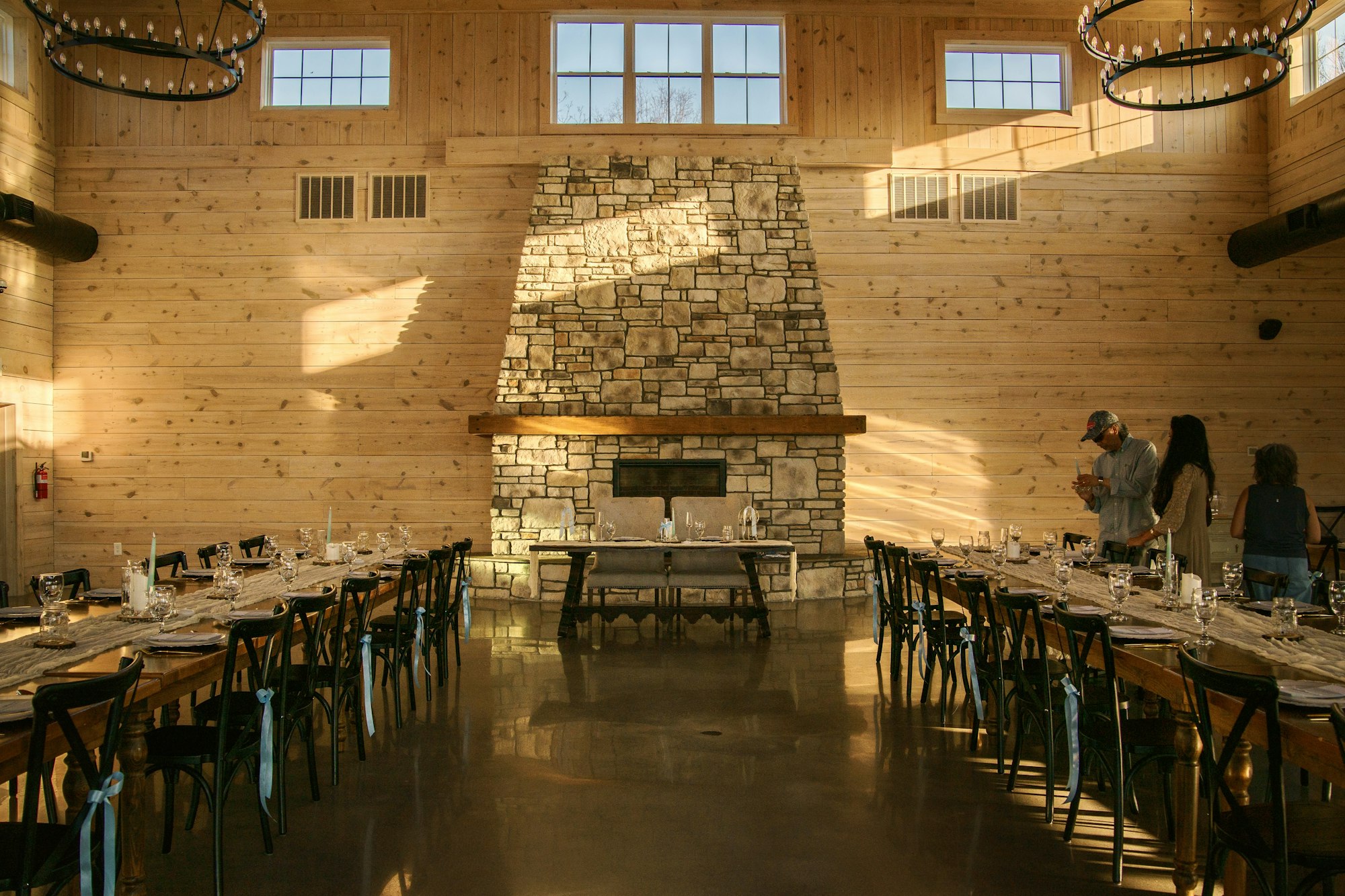
PlannedBy is a run sheet tool, so for day-of coordinators it covers the day and none of the business around the day: there are no contracts, no invoices, no lead capture and no payment reminders in it. Most coordinators keep a client-management tool for that half of the job and use this for the document they run the wedding from. What follows is the working week on that basis.
Four situations account for most of a season, and each one wants a different first move. Find yours, read that section, and skip the rest.
| The situation | Where to start | What it takes |
|---|---|---|
| Venue booked, ceremony time set, nothing written down | Put the ceremony time in and read the day back | Minutes, then the corrections |
| A half-finished plan handed over to you | Start from the shipped day that matches this one, then delete | An afternoon, mostly deleting |
| Several weddings inside the same two months | One sheet per wedding in one account, with seats for whoever helps you | A monthly charge in place of a folder of files |
| It is 4:55 PM and something has moved | Move the anchor and let the rows behind it follow | The calls you were going to make anyway |
The couple booked a venue and wrote nothing down
This is the fastest of the four, because the schedule derives from the ceremony time: getting ready, the cars leaving, guests arriving, family photographs, the reception, the send-off. Inside the reception, dinner lands 45 minutes after the couple walk in, speeches at 90 minutes and the first dance at 150. With no finish time typed the night ends 300 minutes after the reception starts, any beat falling past the finish is dropped, and the send-off is kept whatever else goes.
So the first pass is not the work. The second pass is, and it is always the same shape of thing: the driveway that takes twelve minutes rather than two, the grandparent who needs collecting, the photograph list nobody has written, the call on what happens if it rains at four. Book an hour with the couple and put a name against every row that needs one.
You are also joining a day other people have been working on for months. Easy Weddings' 2026 Australian industry report has venues reporting 41 hours of work on each wedding, photographers 37 and celebrants 18, all of it counting office time rather than hours at the wedding.1 None of what they already know is in your document until you ask for it.
Hours of work per wedding, as Australian suppliers report them.
Somebody else half-built the plan
Start from a shipped day rather than a blank grid, and make the takeover a deleting job. Three full days ship in the product. The afternoon day runs 62 rows across four sections. The morning day is 52 rows, 5:45 AM to 4:00 PM. The two-venue day is 62 rows across five sections, 6:45 AM to 11:00 PM, and 18 of those rows are the five-hour break in the middle, 11:30 AM to 4:45 PM.
Look at the shapes before anyone's times. A half-built plan usually has nothing at all in the middle of the day, which is exactly where the couple, the photographer and the guests are in three different places.
Then set the suppliers. One sheet carries nine columns, a primary sheet everyone reads plus one each for photographer, videographer, hair and makeup, celebrant, florist, caterer, DJ or band and transport, and a row only reaches a supplier when that supplier's column has something in it. Clearing the columns for suppliers this couple never hired removes a whole class of question on the day.
Several weddings inside the same eight weeks
Australian weddings pile onto the same handful of dates. The Australian Bureau of Statistics recorded 25 October 2025 as the most popular date to marry that year, with 2,035 marriages, ahead of 22 November with 1,527 and 1 November with 1,498, and 45 of the fifty most popular dates fell on a Saturday.2
The three busiest single dates to marry in Australia in 2025.
Your season is everybody else's season, which is what makes separate files per wedding expensive in exactly the week you can least afford it. Planner plans hold several weddings at once and add seats for the people helping you run them, billed monthly, while a couple buying the same document for one wedding pays once. Charges are converted for the country you are in, so the pricing page is the only accurate place to read your own figure.
One habit beats any feature here: build every wedding to the same shape. If all your afternoon weddings start from the shipped afternoon day, the sheet you open at 6 AM reads the same way each time, and the only rows you hold in your head are the ones you changed.
Build one of next month's weddings now Put the ceremony time into the run sheet generator and correct the day it gives you back against what that venue actually does.
It is the day and something has moved
The celebrant is stuck in traffic, or the rain arrives at four, and every time after that moment is now wrong. Move the anchor instead of the rows: times can be shifted for one section or for the whole day, and what was derived from the anchor moves with it. Suppliers read their own column, so a ceremony that slips reaches the photographer and the celebrant without the florist being asked to re-read a document that has not changed for them.
The evening is where the rows stop being flexible. On the shipped afternoon day the couple are introduced at 6:00 PM, speeches run at 7:00 PM with the MC holding each speaker to five minutes, mains go out at 7:30 PM with 45 minutes from the first plate landing to the last one cleared, cake at 8:30 PM, the floor opens at 9:15 PM and the send-off is at 11:00 PM. The sheet says plainly what happens when nobody closes the speeches out: three unwatched speeches become a 45 minute block and a cold main.
The evening handovers on the shipped afternoon day, with the kitchen's start marked.
Mains at 7:30 PM is the row that decides the rest of your night, because being twenty minutes late there costs the couple money and nobody in the room sees it coming.
What it will not do for you
Named plainly, because a coordinator who finds these out on a Saturday will not open it again.
There is no client-management side at all. No contracts, no invoices, no lead capture, no payment reminders, no proposal templates. If turning enquiries into signed work is this quarter's problem, this is the wrong purchase and the criteria for that category are a separate page.
Padding shows up as a later start. You add half an hour after the ceremony by moving the anchor behind it, rather than by naming a buffer the tool then defends for you.
Nobody is told anything automatically. Sharing a document puts it where people can read it, and the call you make on the Thursday before is still yours to make.
It cannot make the decisions a stranger cannot make. Who walks with whom, who must not sit together, what happens if it rains: those are rows with a name in them, or gaps you fill at 4:55 PM.
Common questions
Can I try it on a real wedding before deciding anything? Yes. The run sheet generator and the seat planner are open on the site. Run one on a wedding you have already coordinated and compare it against what happened.
If the couple started the wedding, can I work in the same one? It is one document rather than two products, so a day a couple built is the same kind of thing as a day you built. How a wedding moves between accounts is an account question, so check it before you promise a client.
What do I actually hand each supplier? Their column. The photographer opens a sheet about photography, the celebrant a much shorter one, because a row only appears for a supplier with something to do on it.
Does this replace a coordinator? No. It holds the times and shares them, and somebody still has to stand in the room and make the handovers happen, which is most of what the job is.
The guest list changed in the last fortnight. What moves? The room. The seat planner is open without an account, so the week-of rebuild is a job you can do in front of the couple.
Is it written for Australian weddings? Yes, and Managing Matrimony's Australian guide says why that matters: "In Australia we say runsheet; in the US they say timeline."3 Your celebrant, caterer and DJ will ask you for the run sheet.
What to decide next
Rebuild one wedding from next month rather than moving a whole season. Put its ceremony time into the run sheet generator and compare the derived day against the version you are already running. That hour tells you how much of your document is arithmetic and how much is your judgment.
Then answer the boring question. If the full run sheet is what you spend your evenings rebuilding, this is the right half of your software to change. If your evenings go on quotes and invoices, change the other half first.