Wedding Planner Timeline Template, Not the Couple's Copy
A wedding planner's timeline template resets for every client and holds a day most vendors haven't been booked for yet. What that version needs that a couple's copy doesn't.
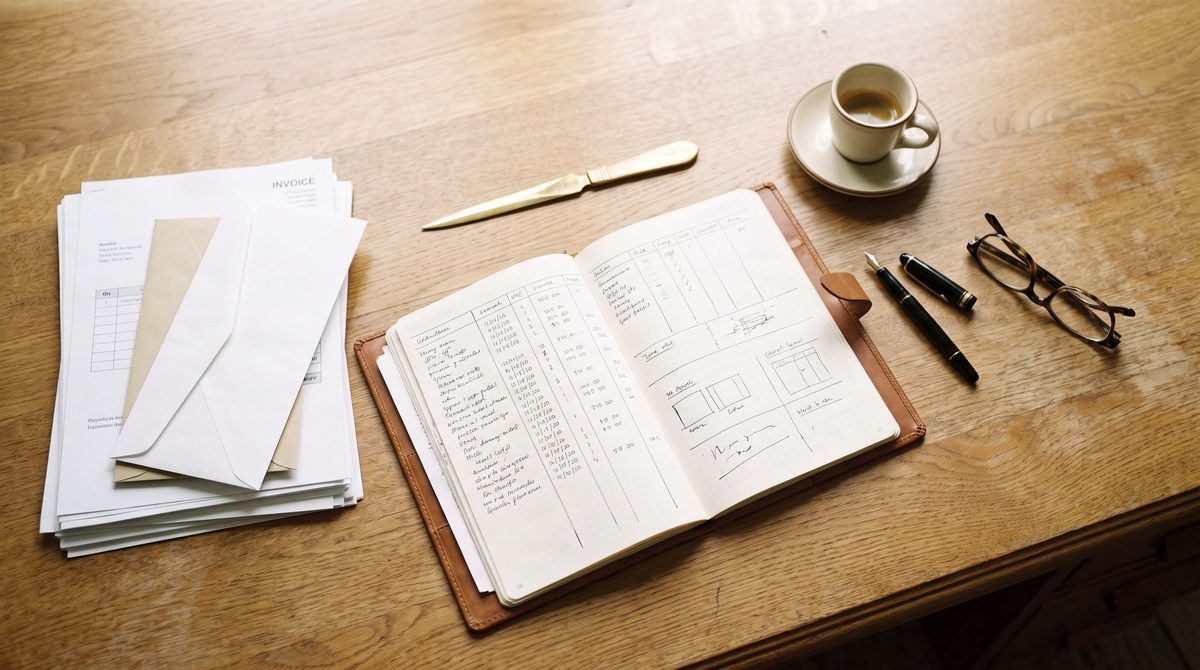
Australian couples book a wedding planner third in the buying cycle, ahead of the celebrant and the photographer.1 A wedding planner's timeline template has to hold a day where most of the vendor team hasn't been booked yet, then keep absorbing every supplier added after it - which is a different document from the one a couple fills in once for their own wedding.
Where the planner sits in the booking order - before the celebrant, before the photographer.
Start from a day template in PlannedBy's run sheet instead of a blank grid. Type the ceremony time and the day builds around it, for however many client weddings you're running this month.
Why a couple's timeline template doesn't survive being reused for a client
A couple fills in a wedding timeline template once, for one day, and never opens it again after the reception. A planner opens the same shape of document every week, for a different ceremony time and a different vendor roster each time, and has to trust that nothing from the last client's wedding is still sitting in it. Copy last month's file for this month's client and the risk isn't a typo - it's someone else's caterer arriving at someone else's venue.
An Australian wedding planner who builds these professionally names the actual failure mode plainly: couples and planners feel organised when they avoid "having details scattered across emails, texts, screenshots, Instagram DMs, and handwritten notes," and feel it slipping the moment those channels multiply.3 For one wedding, that's an inconvenience. Running several client weddings on the same scattered habit is how one client's dietary note ends up in another client's file.
Fewer channels, not more discipline - a planner's fix and a couple's fix look the same.
What a planner's version of the template actually needs to hold
Three things a couple's own copy doesn't need to solve for, because a couple only ever has one wedding open at a time:
| What it needs | Why a one-off couple's template skips it |
|---|---|
| A clean reset per client | The couple's file carries one ceremony time for one wedding, permanently |
| A vendor roster that isn't the last client's | Nothing forces old contact details out of a personal copy |
| A shareable link per wedding, not per planner | A couple shares one link with their own vendors, once |
The same central-system advice that keeps one wedding organised is the advice a planner is running at a multiple - one system per client, not one system, period.3
Day rates make the case for building this once rather than rebuilding it every booking. Easy Weddings prices day-of coordination in Australia at around $1,500 to $2,000, full-service planning at $5,000 to $6,000, and hourly consultation at $75 to $100 an hour.2 Nobody charging that much for a wedding day is starting the schedule from a blank page each time.
What Australian planners charge, by service tier - the fee a rebuilt-from-scratch template quietly taxes.
A worked example: the same template, two clients, two ceremony times
Take a planner running two weddings on back-to-back Saturdays. Client A's ceremony starts at 3:00pm; Client B's starts at 5:00pm. Both use the same run sheet shape - the same columns, the same sections - but every time in Client B's copy has to fall two hours later than Client A's, all the way through. Typing that by hand means re-deriving family photos, cocktail hour, dinner and speeches twice, from scratch, in the same week.
A run sheet generator built to derive a full day from one ceremony time does the same job for both without either file inheriting a row from the other. Client A's day gets built from 3:00pm. Client B's gets built from 5:00pm. Neither copy has to be checked against the other for a leftover row.
Same document shape, two clients, two ceremony times - nothing copied between them.
See it built, not described PlannedBy's run sheet is on the Free plan, with no card needed, for one wedding. PlannedBy's planner tier carries the same generator across every client wedding on one account.
What the day itself still asks the template to hold
Two Australian wedding planners describe the shape of a normal wedding day the same way: ceremony 20 to 30 minutes, family photos straight after, a 60 to 90 minute cocktail hour, then dinner.4 One of them names the run sheet directly as the professional's deliverable: "Most venues and wedding planners will create a detailed run sheet for you."4 That is the same shape whichever client it is built for - the part that changes client to client is everything layered on top of it: the vendor roster, the day's start time, and who is allowed to see which column.
"Run sheet" is the word an Australian planner uses for exactly this document; "timeline" is the same document under its US name.5 If a client or a US-based vendor asks for one under the other name, run sheet vs timeline settles which word to use where.
Common questions
Is a wedding planner timeline template different from a couple's wedding timeline template? Same document shape, different job. A couple fills one in once for their own day. A planner's version has to reset cleanly for a new client, carry that client's vendor roster only, and hold a day that most of the vendor team hasn't been booked for yet.1
What should a planner's timeline template include that a free couple's template doesn't? A clean per-client reset, a vendor contact roster scoped to that wedding only, and a share link that goes to this client's vendors rather than the last one's.3
Do professional wedding planners charge enough to justify a proper template system? Australian day-of coordination runs $1,500 to $2,000, full-service planning $5,000 to $6,000, and hourly consulting $75 to $100 an hour.2 At those rates, rebuilding a schedule from a blank page for every client is time a planner is otherwise billing for.
Can one planner run several clients' timeline templates without them mixing together? Yes, if the tool treats each wedding as its own project rather than one shared file with the ceremony time swapped. PlannedBy's planner tier keeps every client wedding as a separate project on one account.
Is a wedding planner's timeline template the same as a run sheet? Yes - "run sheet" is the Australian name for the same document US planners call a "timeline."5 Run sheet vs timeline covers which word to use with which audience.
Who this template is not for
A couple planning their own single wedding with no professional coordinator. That version doesn't need a per-client reset, a scoped vendor roster, or a share link aimed at someone else's suppliers - it needs one ceremony time and one day built from it, which wedding timeline template already covers without the extra structure a working planner needs.
Start free on one wedding with PlannedBy's run sheet, or see the planner tier for running every client on one account. Everything else is in how PlannedBy works.
Sources
- The Annual Australian Wedding Industry Report 2026 (Issue Eleven)
- How much does a wedding planner cost in Australia?
- What are the best ways to keep vendor details organised? | Expert Wedding Advice
- What actually happens at a normal Australian wedding from start to finish? | Expert Wedding Advice
- The Ultimate Wedding Day Runsheet Template for Australian Couples