Virtual Seating Chart or Physical Seating Chart?
A virtual seating chart updates with your guest list. A physical seating chart is the printed version you display at the venue once RSVPs are locked.
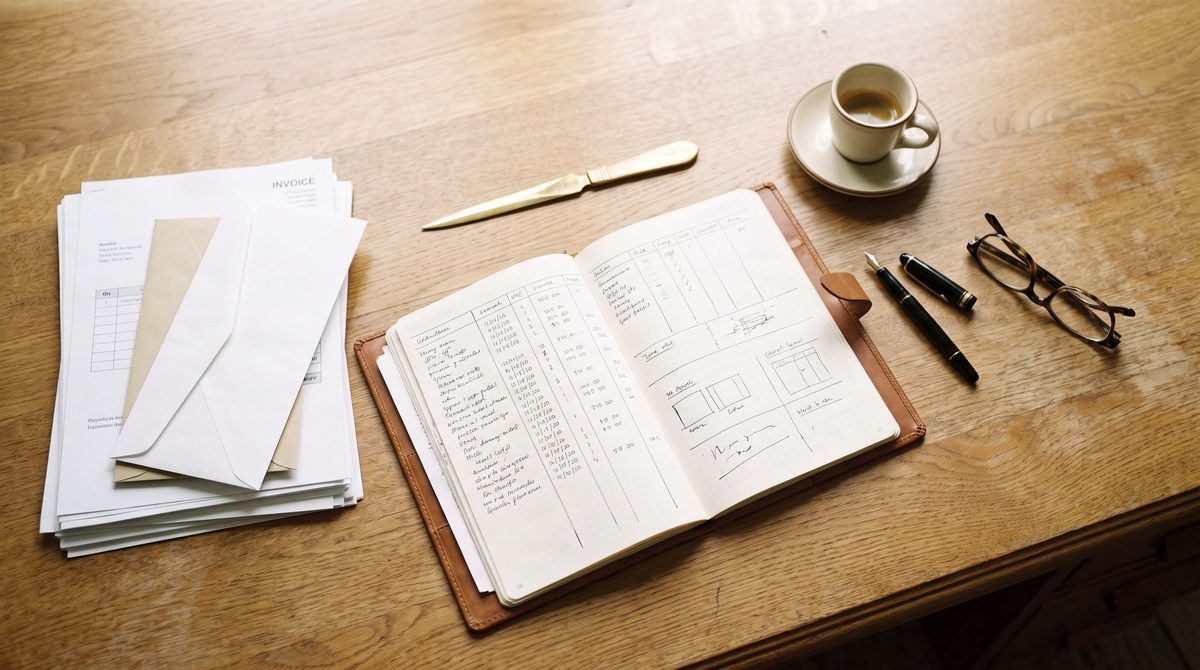
A virtual wedding seating chart is built and edited in an app or browser tool and updates itself as your guest list changes. A physical wedding seating chart is the printed or handwritten version displayed at the venue, fixed the moment it goes to print.
Only one format moves with you. A virtual chart updates automatically when a guest is added, removed or reseated. A physical chart has to be reprinted or redrawn every time the list changes, which is why couples build it last, once RSVPs are closed.
Most weddings use both: a virtual chart while the guest list moves, then a physical one once it is locked.
What does "virtual seating chart" mean at a wedding?
A virtual seating chart is a digital record of who sits where, held in an app, browser tool or shared document. You add guests to tables and drag them between seats, and the record updates in place - no reprinting, no crossing out a name.
The category exists because a guest list rarely stays still. Australian couples plan for 108 guests on average and finish with 85, a gap of 23 across the RSVP period.2 Each of those changes is an edit a paper chart has to absorb by hand.
Not every virtual tool is built for that. App Store reviews of one wedding-planning app describe its seating chart as desktop-only, and describe the app crashing and losing edited work.4 A virtual chart is only worth using if the update is one action, not a redo.
Where "virtual seating chart" fits in a sentence:
- "I'm building the virtual seating chart on my phone while I'm on hold with the venue."
- "The virtual seating chart moved Aunt Carol automatically when she declined."
- "We're keeping the virtual seating chart open until RSVPs close next week."
- "I shared the virtual seating chart with my partner so we can both edit it."
- "The virtual seating chart updated the table count the second I removed a guest."
- "Send the coordinator the link to the virtual seating chart, not a screenshot."
What does "physical seating chart" mean at a wedding?
A physical seating chart is the printed, written or framed version a couple produces once the guest list is locked - a poster near the entrance, place cards, or a printed sheet for the venue coordinator. It is fixed the moment it is finished, and any change after that means redoing it by hand.
Most venues still need one. 83% of Australian couples run allocated seating rather than letting guests choose.1 The coordinator, caterer and MC all work from the physical version on the day, whatever tool built it.
Easy Weddings' rule of thumb is eight guests per standard round table.3 For 85 confirmed guests, that is 11 tables - worth settling before a single name goes on the chart, since resizing tables after printing means starting again.2
Where "physical seating chart" fits in a sentence:
- "The physical seating chart goes up on an easel by the entrance."
- "We printed the physical seating chart the day RSVPs closed."
- "I hand-lettered the physical seating chart myself to save on printing."
- "Don't laminate the physical seating chart until the final headcount is locked."
- "We had to redo the physical seating chart after two late cancellations."
- "The MC checks the physical seating chart to find where the parents are sitting."
Which should you use?
| If your guest list is... | Use |
|---|---|
| Still moving - RSVPs outstanding, plus-ones undecided, seating still being negotiated | A virtual seating chart |
| Locked, and you need something to print, display or hand to the venue | A physical seating chart, built from the virtual one |
Build the working version as a virtual chart first, since it absorbs the 23-odd changes an average guest list still makes.2 Once RSVPs close, print or write out the physical chart from that final, settled version.
Build the virtual chart, then print it once The seat planner tracks guests and tables as a live record and lets you export a printable version once the list is locked, so the physical chart is a copy of the finished virtual one, not a separate document.
Frequently asked questions
Is a virtual seating chart the same as a physical seating chart?
No. A virtual seating chart is a live digital record that updates when the guest list changes. A physical seating chart is a fixed, printed or handwritten version made once the list is settled.
Can I skip the virtual chart and go straight to physical?
Yes, if your guest list is small and already final. For a list still moving, a physical-only approach means redoing the chart by hand every time someone confirms or cancels.
When should the physical chart be printed?
After RSVPs close, once the guest count and table assignments are final - typically about a week before the wedding.
What if a guest cancels after the physical chart is printed?
Update the virtual chart first, then hand-correct the physical one. An empty seat is less disruptive than a visible, hasty correction.
Start here
Open the seat planner and build the layout as a virtual chart while the guest list is still moving - it costs nothing to update. Print the physical version once, after the list closes. The wedding seating plan template covers the column structure for building it by hand instead, and the run sheet template is the next document the venue needs once seating is locked.