Wedding Table Plan Template: What UK Couples Need
A wedding table plan template UK couples can build from: five columns to fill, how many tables 74 guests need, and when to hand it to the venue.
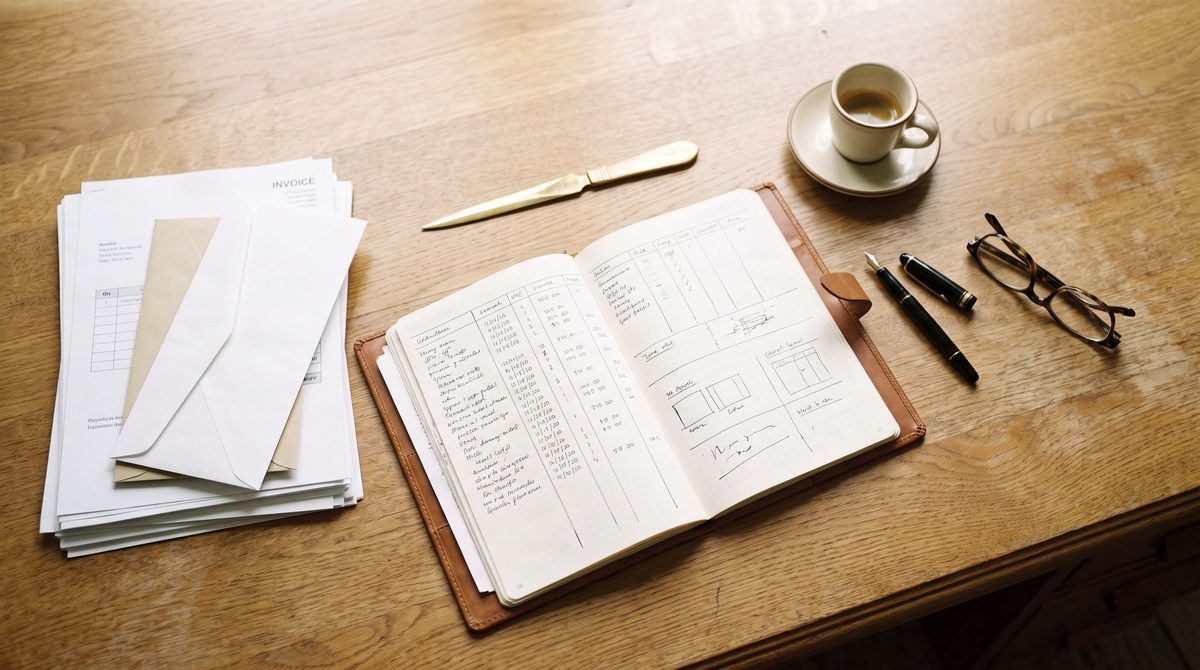
Bridebook's 2026 UK Wedding Report puts the average UK wedding at 74 guests, with 41% of receptions seating fewer than 60.1 A wedding table plan template is the working document that assigns every one of them to a numbered table before the room is laid - the same structure used across the UK, Ireland and Australia.2
The template holds five columns: guest name, table number, group, dietary note and an RSVP flag. Build the structure before RSVPs close, then fill it once the guest list is confirmed.
What goes wrong without a template
A table plan built one guest at a time, with no fixed columns, breaks the first time the guest count moves. Bridebook's figures show why that is likely rather than unlikely: four in ten UK receptions seat under 60 guests and the other six in ten seat more, which means the number a couple starts planning around is rarely the number that turns up on the day.1
Without a template, a shifting guest count means rebuilding the whole document: renumbering tables, re-checking who sits with whom, and re-collecting dietary notes that were written on a different list entirely. A fixed set of columns holds its shape while the guest count underneath it moves.
The rebuild usually happens at the worst possible time - a fortnight out, when a late decline frees a seat or a plus-one turns up unannounced. A template with an RSVP column absorbs that change in place: the guest moves from confirmed to declined, the table total drops by one, and nothing else on the document needs to be touched or renumbered.
The five columns a wedding table plan template needs
| Column | What it holds | Who reads it |
|---|---|---|
| Guest name | Full name as it appears on any display or place card | Entrance board, place cards |
| Table number | The number matching the physical table in the room | Venue, caterer |
| Group | Household or friend group, for checking who sits together | Whoever is building the plan |
| Dietary note | Allergy, intolerance or preference affecting the meal | Caterer only |
| RSVP status | Confirmed, declined or outstanding | Whoever is building the plan |
The RSVP column is the one a one-off list usually skips, and it is the one that saves the rework: a plan that tracks RSVP status alongside the seating assignment does not need a second document to know which guests are still unconfirmed.
Size the plan from a UK guest count
At the 74-guest UK average, a standard round banquet table seats 8 to 10 guests.3 An event hire guide gives the same figure as its rule of thumb for a standard round table.4 At 8 per table, 74 guests need 10 tables. At 10 per table, the same 74 guests need 8.
Long tables change the count again. A 2.4-metre trestle seats 8 to 10 guests, four along each side and one at each end; a 1.8-metre trestle seats 6 to 8.5 A marquee or barn venue running long tables the full length of the room needs the template built around that shape rather than assumed to be round.
Neither figure is the one to use blind. Confirm the actual table count and size with the venue before filling in a single row - a coordinator's floor plan sometimes reserves a table for the cake, the gift table or a band, which reduces the seating count below what the room's total table number suggests.
Assign in a fixed order, then hand the plan to the venue
Work through the same order every time: the couple's own table first, then immediate family, then any guest with an access requirement, then friend and work groups, then everyone left over. Starting anywhere else locks in a placement that limits every choice after it.
The PlannedBy seat planner keeps the table layout, the guest assignment and the dietary flags in one document, and produces a shareable link that updates as replies change. The venue coordinator, the caterer and the MC each open the same link rather than working from three separate copies.
FAQ
What is a wedding table plan template? A document with five fixed columns - guest name, table number, group, dietary note and RSVP status - that a couple fills as the guest list is confirmed, rather than a one-off list built from scratch.
How many guests does a UK wedding seat, on average? Bridebook's 2026 UK Wedding Report found an average of 74 guests, with 41% of receptions seating fewer than 60.1
How many tables does a 74-guest wedding need? At 8 guests per round table, 10 tables.3 At 10 per table, 8 tables. Long trestle tables seat 8 to 10 at 2.4 metres or 6 to 8 at 1.8 metres.5
Is a table plan the same as a seating chart? Yes. "Table plan" is the term used in the UK, Ireland and Australia; "seating chart" is the US and Canadian term for the same document.2
When should the table plan be finalised? Once RSVPs close. The RSVP column is what lets the template track who is still outstanding without a separate list to cross-check.
The template at a glance
| What | Detail |
|---|---|
| Guest name | Matches the entrance display or place card |
| Table number | Matched to the physical room layout |
| Group | Working field for checking who sits together |
| Dietary note | Shared with the caterer only |
| RSVP status | Tracks who is confirmed, declined or outstanding |
| Round table capacity | 8 to 10 guests |
| Long trestle capacity | 6 to 8 at 1.8m, 8 to 10 at 2.4m |
A couple with no allocated seating - a stand-up reception, or a venue that lets guests choose - does not need this template at all, only a confirmed headcount and the dietary column for the caterer.
The seat planner builds the table plan and shares it with the venue in one link. The wedding table plan guide covers the full step-by-step process, the wedding seating plan template is the same document under its other name, and the run sheet template is the next document the venue needs once the table plan is locked.