Ceremony Seating Plan: What Actually Needs Deciding
A ceremony seating plan is a short reserved list for family, not a full chart - how many chairs a UK ceremony actually needs, and how it differs from the table plan.
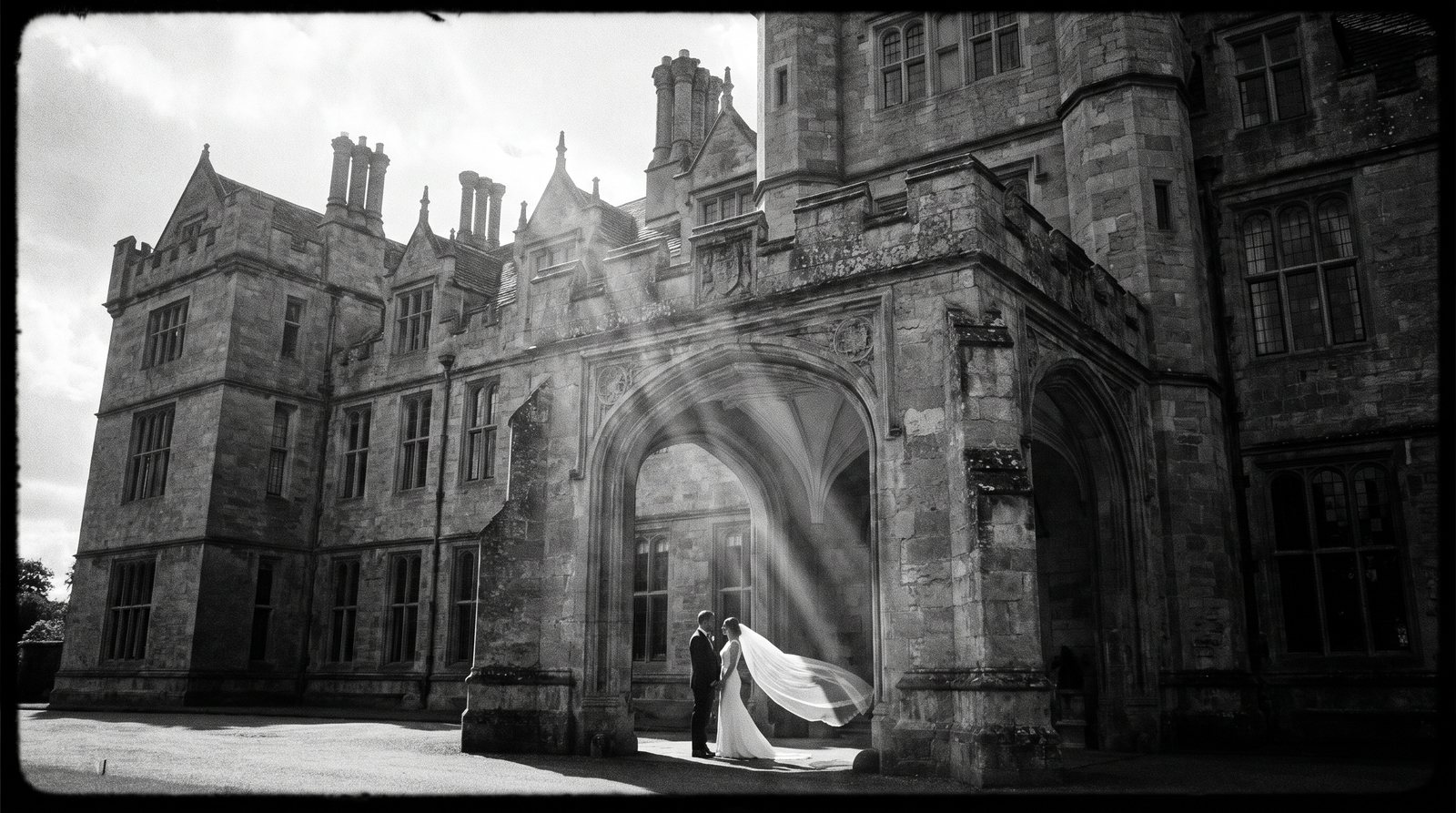
A ceremony seating plan covers three decisions: how many chairs to set out, which of the front rows are reserved, and where the aisle runs. Everyone else picks a row when they arrive. That's the whole document, and it's a shorter, different one from the table plan built for the reception afterwards.
How many chairs does a UK ceremony actually need?
There's no single right number, because ceremony guest counts vary more than most couples expect. Bridebook's 2026 UK report puts the average ceremony at around 74 guests, while 41% of UK receptions seat fewer than 60.1 A handful of larger weddings pull that average up; most ceremonies sit well below it. Count the ceremony guest list on its own, not the full reception headcount - some couples add evening-only guests who never see the vows.
Which rows are actually reserved?
Almost none of them. A ceremony seating plan only needs to name the handful of seats that matter: the front row or two, for immediate family, and any seat someone is walking to or from during the service. Write those names on one short list before the day, rather than a chart mapping every guest to a chair. Everyone else fills a row on arrival, and nobody needs telling which one.
Some couples split the front rows by side, one family left of the aisle and the other right; others seat both families together on one side so the group reads as one from the front. Either works. What causes trouble is deciding it on the day, with guests already arriving and nobody told which seats are spoken for.
Does the wedding party need a seat at all?
Mostly no. The wedding party stands at the front for the ceremony itself in the large majority of weddings, which is the main reason a ceremony seating plan is so much shorter than a reception one: the group that gets the most planning attention at a wedding is usually the group that never sits down. The two common exceptions are a child too young to stand through the service, and a reader or speaker who needs a marked seat to move from and back to.
How is this different from the table plan?
The reception version of this document is called the table plan in the UK, and it maps every guest to a table and a seat, because the room needs a full layout before it's set.2 A ceremony seating plan reserves a handful of rows and leaves the rest open, because a ceremony has no tables to fill and no meal to serve around a seating chart.
Build the two documents separately, in that order. The ceremony list is short enough to hold in a note; the reception table plan is the job the seat planner is built for, once the guest list and table shapes are decided.
When does the seating plan need to be locked in?
Before guests start arriving, not after. Two Australian wedding planners describe guests turning up around 30 minutes ahead of a ceremony that itself runs 20 to 30 minutes - a workable rule of thumb wherever a venue hasn't set its own timing.3 That's the entire margin available to mark reserved seats with a ribbon, a sign, or an usher who already has the list. Tell whoever is directing guests to their seats before that window opens - there's no time to sort it out once it has.
What changes in 12 months
The reserving logic won't move: a front row or two for family, open seating for everyone else, isn't a trend and doesn't need revisiting next year. The figure worth rechecking is the guest-count spread itself. Bridebook publishes a new UK report annually, and this year's 74-guest average and 41%-under-60 split are 2026 numbers specifically.1 Check next year's report before assuming the same split still holds.
Frequently asked questions
Do you need a full seating chart for the ceremony? No. A ceremony seating plan is a short reserved list, the front row or two for family, rather than a chart assigning every guest a seat. Open seating covers everyone else.
How many guests does a typical UK ceremony have? Around 74 on average, though 41% of UK receptions seat fewer than 60 guests, so the real range for most couples sits well below the average.1
Does the wedding party sit down during the vows? Mostly not - they stand at the front. A young child in the wedding party is the usual exception.
What's the difference between a ceremony seating plan and a table plan? It comes down to scale. The ceremony version reserves a handful of rows; the table plan maps every reception guest to a table, which is why the UK uses a separate name for it.2
When should the reserved seats be marked? Before guests start arriving - about 30 minutes ahead of the ceremony start is a workable window.3
The ceremony seating plan at a glance
| Decision | What it actually needs | When |
|---|---|---|
| Guest count | The ceremony list on its own, not the full reception headcount | As soon as RSVPs settle |
| Reserved rows | Front row or two, immediate family only | Before the day |
| Wedding party | Almost never seated - they stand at the front | Not applicable |
| Everyone else | Open seating, any row | On arrival |
| Table plan | A separate, bigger document for the reception | After the ceremony plan is set |
Reserve the handful of seats that need it, leave the rest open, and put the real planning effort into the table plan once the seat planner is mapping the reception. The seating chart or table plan page covers what that reception document is called depending on where you are, and the ceremony seating chart page goes further into who's owed a seat by custom versus who just needs one on the day.