Does Your Reception Need a Seating Chart?
A seating chart for the reception is required for 83% of Australian weddings, the allocated-seating share, and skippable for the rest. Here is how to tell which one you are.
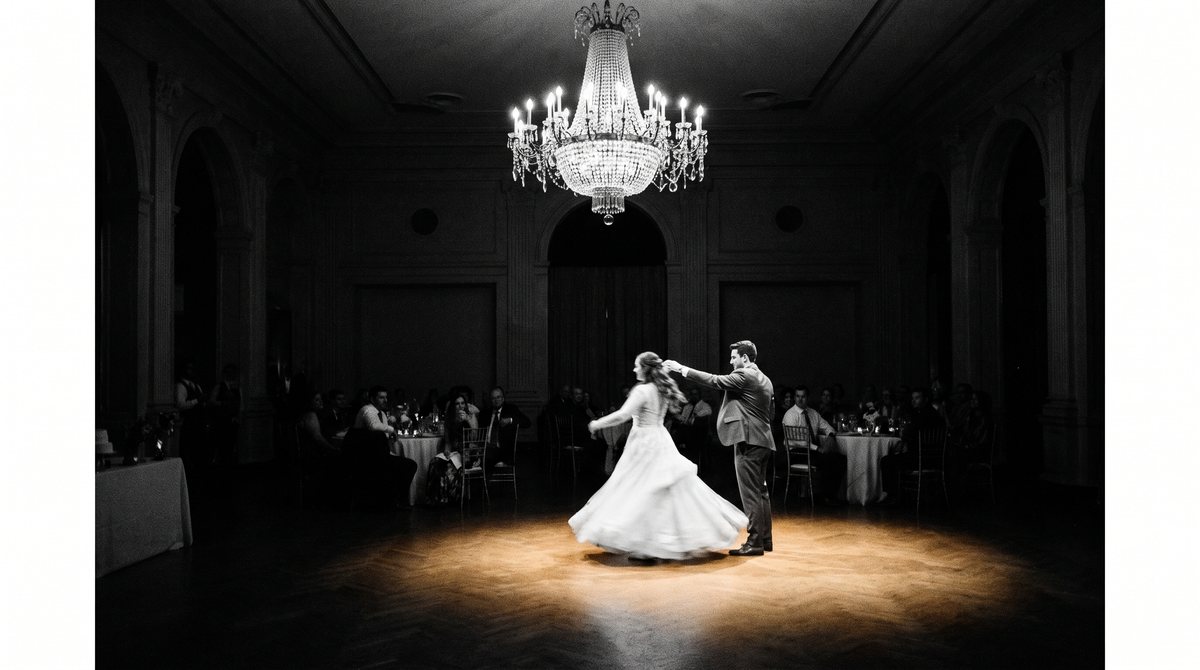
Yes, if seating is allocated: 83% of Australian couples run allocated seating at their reception, and a seating chart for the reception is what turns that plan into an actual room, table by table.1 The remaining 17% split between guests choosing their own seat and a stand-up celebration with no tables at all, and neither of those needs a chart.
Most Australian receptions are allocated seating, not the exception.
Yes, if you are assigning tables
Allocated seating means every guest has a table before the room is set, which is what 83% of Australian couples choose for their reception.1 A plated dinner needs the chart structurally: the caterer walks a fixed number of meals to a fixed number of seats, and that only works if someone can say where table six is and who is sitting at it. This page covers the reception only - the ceremony has a shorter seating question of its own, covered in wedding ceremony seating chart.
No, if guests pick their own seat or there is no seated dinner
9% of Australian couples let guests choose where they sit, and 8% run a stand-up celebration with no tables at all.1 Open seating only needs enough chairs in the room, and a stand-up event has no seats to assign in the first place, so a chart would be a document nobody reads.
The catering style usually decides it first
Format narrows the question further. Alternate drop and feasting style are the two most common Australian reception formats, at 33% and 28%, and both plate a meal to a specific table.2 A buffet, food truck, finger food spread or grazing table works the other way: guests serve themselves, so nobody has to be in a specific seat when the food arrives. Combined, those casual formats make up 39% of Australian receptions against 61% for the two plated formats.2
Plated formats need a chart. Casual formats rarely do.
A worked example: 85 guests, how many tables
Take the average Australian guest list. Couples plan for 108 guests and end up inviting 85.3 Easy Weddings puts a rule of thumb on the room: eight guests fit comfortably around a standard round table.4 An Australian event hire company sets the same table at 8 to 10 seats.5 At that range, 85 guests need roughly 9 to 11 round tables, and that count is the first thing a chart has to hold before a single name gets assigned.
Eighty-five guests, one range of tables, before a single name is placed.
Building it once you know you need one
Start from the guest list, not a blank grid of tables. Group who needs to sit together, count each group against the 8 to 10 a table above, and assign the group to a table with enough room to hold it. The full build order, guest list through to a finished room, is covered in reception seating chart: build it from the guest list. A PlannedBy seat planner holds that structure directly: set up tables with a seat count, add the guest list, and drag guests into position while it tracks what is filled and what is still open.
Frequently asked questions
Does a stand-up celebration ever need a chart? No. Nobody has a seat to be assigned, so there is nothing for a chart to hold.
What if half the reception is seated and half is standing? Chart the seated tables only. A handful of reserved tables in an otherwise standing room still need names assigned, even if most of the space has no seats at all.
Is a seating chart the same as a table plan? Same document, different regional name. Table plan is the more common term in the UK, Ireland and Australia, and seating chart is the US and Canadian term for the same table-by-table list.6 More on the naming split in seating chart or table plan.
Do open-seating receptions need anything at all? Enough chairs in the room and, if numbers are tight, a headcount confirmed with the venue. Nothing table by table.
Can the answer change after invitations go out? Yes. A catering style or venue layout locked in after RSVPs can move a reception from open to allocated, and the guest count that decides the table total keeps moving too, averaging 23 fewer guests than couples first planned for.3
What to do next
If the catering plates a meal to a table, allocated seating is not optional, and the reception needs a chart before the room can be set. Start the guest list and the table count together with the free seat planner, then assign names as RSVPs settle. Check pricing once the wedding needs more than the free tools, or see what else is free at /free-tools.